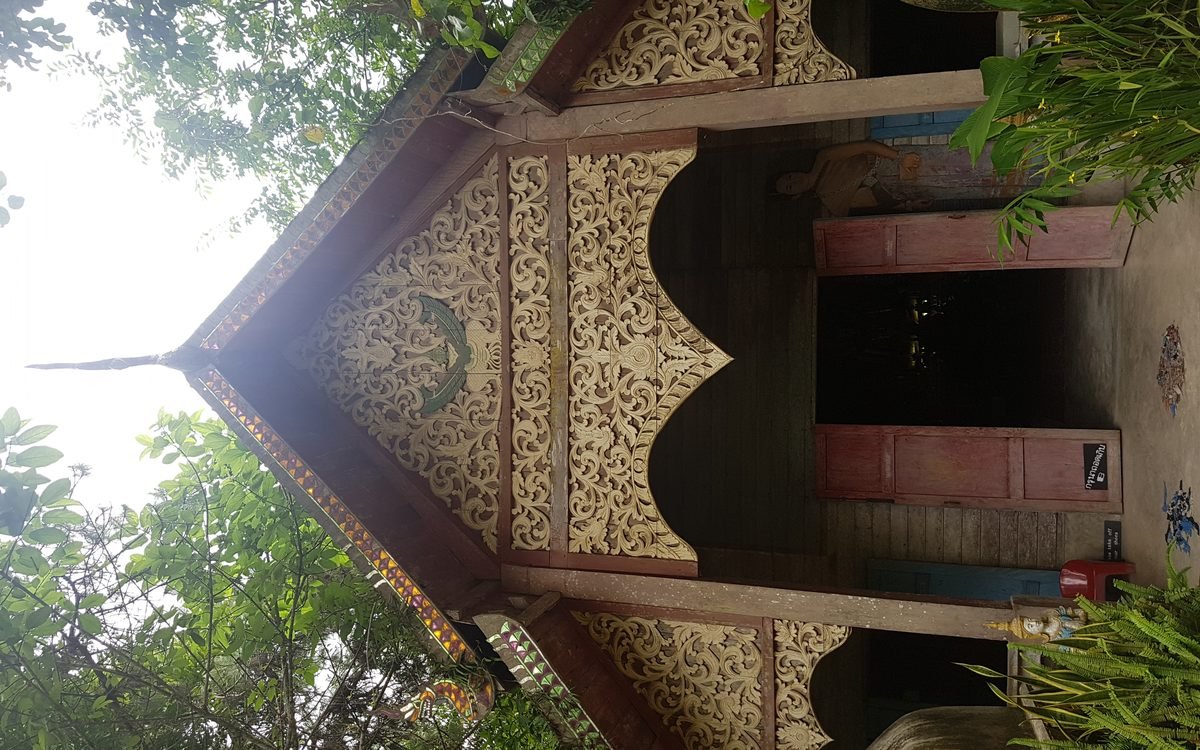
The best things to do in Chiang Mai are climbing to Wat Phra That Doi Suthep, walking the Old City temples, eating khao soi, browsing the Sunday Walking Street, taking a Thai cooking class and a day trip to Doi Inthanon. Three to four days covers the highlights comfortably.
Chiang Mai is Thailand's northern capital, a walled city of around 130,000 people inside a much larger metro area, surrounded by forested hills. It feels slower and greener than Bangkok, with more than 300 temples, a serious food culture of its own and easy access to mountains, waterfalls and hill-tribe villages. Most visitors plan two days and wish they had stayed four.
The city is compact. The square Old City, ringed by a moat and fragments of brick wall, measures roughly 1.5 km per side, so you can walk between most temples. Nimmanhaemin (Nimman) lies about 2 km west, the Night Bazaar and Ping River about 1 km east. For anything further out, Grab, Bolt and the red shared songthaews are cheap. Read our Chiang Mai destination guide for the bigger picture, and see the best time to visit Thailand before you book: November to February is cool and clear, while March and April bring heavy smoke from agricultural burning.
Temples expect covered shoulders and knees for everyone. Carry a light scarf or sarong, take off shoes before entering halls and never point your feet at a Buddha image. Our temple etiquette guide covers the rest.
The golden chedi of Wat Phra That Doi Suthep sits at about 1,070 m on the mountain that looms over the city, roughly 15 km from the Old City. Legend says a white elephant carrying a Buddha relic climbed the mountain, trumpeted three times and died here, marking the spot. Climb the 306-step naga staircase or take the small funicular, then walk the terrace for the view back over the city and valley.
For something more active, hike the Monk's Trail from the end of Suthep Road, marked by saffron ribbons tied to trees. It takes 30 to 45 minutes to reach Wat Pha Lat, a mossy, quiet forest temple with a stream running through it, and hardier walkers continue another hour to Doi Suthep itself.
You could spend a full day just walking between temples inside the moat. Prioritise these three:
Just south of the Old City, Wat Sri Suphan is the silver temple, its ordination hall covered in embossed silver and aluminium panels made by the Wua Lai silversmith community. Entry is roughly 50 THB, and by temple tradition women may not enter the ordination hall itself, though they can admire it from outside. At the foot of the hills, Wat Umong has 700-year-old meditation tunnels set in a peaceful forest park.
Chiang Mai does markets better than almost anywhere in Thailand. Plan your days around them.
| Market | When | Best for |
|---|---|---|
| Sunday Walking Street (Ratchadamnoen Rd, from Tha Phae Gate) | Sun, about 16:00 to 22:30 | Handicrafts, street food in temple courtyards, atmosphere |
| Saturday Walking Street (Wua Lai Rd) | Sat, about 16:00 to 22:30 | Silverwork, smaller crowds, local snacks |
| Night Bazaar (Chang Klan Rd) | Daily, about 18:00 to midnight | Souvenirs, bargaining, food courts |
| Chiang Mai Gate market | Daily, evenings | Cheap local dinners, fruit shakes |
| Warorot Market (Kad Luang) | Daily, daytime | Northern sausage, chilli dips, dried goods |
The Sunday market is the one not to miss. Go early, around 17:00, before it becomes a slow shuffle, and eat your way through the temple grounds along the route. Expect 30 to 80 THB for most dishes.
Northern Thai cooking is its own cuisine, milder in sugar and heavier on herbs, bitter greens and grilled meats. The signature dish is khao soi: egg noodles in a rich coconut curry broth, topped with crispy noodles and served with pickled mustard greens, shallots and lime. A bowl costs 50 to 90 THB at local shops. Long-running names include Khao Soi Khun Yai near the north moat (lunch only, closes when sold out) and the Muslim-run stalls around Khao Soi Islam near the Night Bazaar.
Also try sai oua (herby grilled pork sausage), nam prik noom (smoky green chilli dip eaten with pork crackling), khao kha moo (stewed pork leg on rice, famously served by the lady in the cowboy hat at the Chang Phueak Gate night market) and gaeng hang lay, a Burmese-influenced pork curry. Point at what locals are eating and you will rarely go wrong.
Chiang Mai is the cooking-class capital of Thailand. Most schools run half-day or full-day sessions that start with a market visit to learn herbs and ingredients, then move to a farm or open-air kitchen where you cook four to six dishes, usually including a curry paste from scratch. Expect roughly 1,000 to 1,500 THB (about 26 to 40 euros) including hotel pick-up and a recipe book. Farm-based classes outside town are more scenic; in-town classes save travel time. Book a day or two ahead in high season.
The hills are the reason many people come to the north.
A private driver for a full day costs roughly 2,000 to 3,000 THB for the car, which is good value split between three or four people. Motorbike rental starts around 200 to 300 THB per day, but mountain roads are steep and you need a licence valid for motorcycles to be insured.
Elephant experiences are a major draw around Chiang Mai, and quality varies enormously. Skip any camp that offers riding, shows, painting or tricks. The best places let you watch elephants forage, bathe on their own terms and socialise, with visitors kept at a respectful distance. Elephant Nature Park in the Mae Taeng valley is the long-established reference point, with day visits from roughly 2,500 THB including transport. Before you book anywhere, read our ethical elephant sanctuary guide for the questions to ask.
Nimmanhaemin Road and its numbered side lanes (sois) are Chiang Mai's modern face: speciality coffee, design shops, co-working spaces and the One Nimman and Maya shopping centres. It is a good base for evenings out, especially if you like cocktail bars and live music. The nearby Chiang Mai University campus and Ang Kaew reservoir make a pleasant sunset walk.
Book a traditional Thai massage too. Old City shops charge roughly 250 to 400 THB per hour. The Women's Massage Center by Ex-Prisoners trains women leaving prison and is well regarded. In the evening, North Gate Jazz Co-Op by Chang Phueak Gate hosts free, crowded jam sessions most nights.
For accommodation by neighbourhood, see where to stay in Chiang Mai, or check live hotel prices in Chiang Mai.
Time your trip for Yi Peng and Loy Krathong, usually in November around the full moon, when lanterns fill the sky and candlelit krathong float on the Ping River. Lantern launches are regulated and restricted to designated sites and times, so check local rules rather than releasing your own anywhere. Songkran in mid-April is the city's wildest water fight, centred on the moat. Expect to get soaked anywhere near the Old City.
Three days is enough for the Old City temples, Doi Suthep, a night market and a cooking class. Allow four or five days to add Doi Inthanon and an ethical elephant visit.
November to February is best, with cool mornings, dry weather and clear skies. Avoid March and April if you are sensitive to smoke from seasonal burning.
Yes. Wat Phra That Doi Suthep is the most important temple in northern Thailand and offers the best view over the city. Go early in the morning to avoid crowds.
Khao soi, a coconut curry noodle soup, is the signature dish. Northern sausage (sai oua), green chilli dip (nam prik noom) and hang lay pork curry are also local specialities.
The Old City is very walkable at about 1.5 km per side. For Nimman, the Night Bazaar or Doi Suthep, use Grab, Bolt or a red songthaew.