Home › Destinations › Chiang Mai
Northern Thailand
Chiang Mai
The laid-back cultural capital of the north: hundreds of temples, mountain scenery, coffee and night markets.
📅 2–4 nightsCultureNatureCoffeeWellness
The laid-back cultural capital of the north: hundreds of temples, mountain scenery, coffee and night markets.
Why Chiang Mai? The laid-back cultural capital of the north: hundreds of temples, mountain scenery, coffee and night markets.
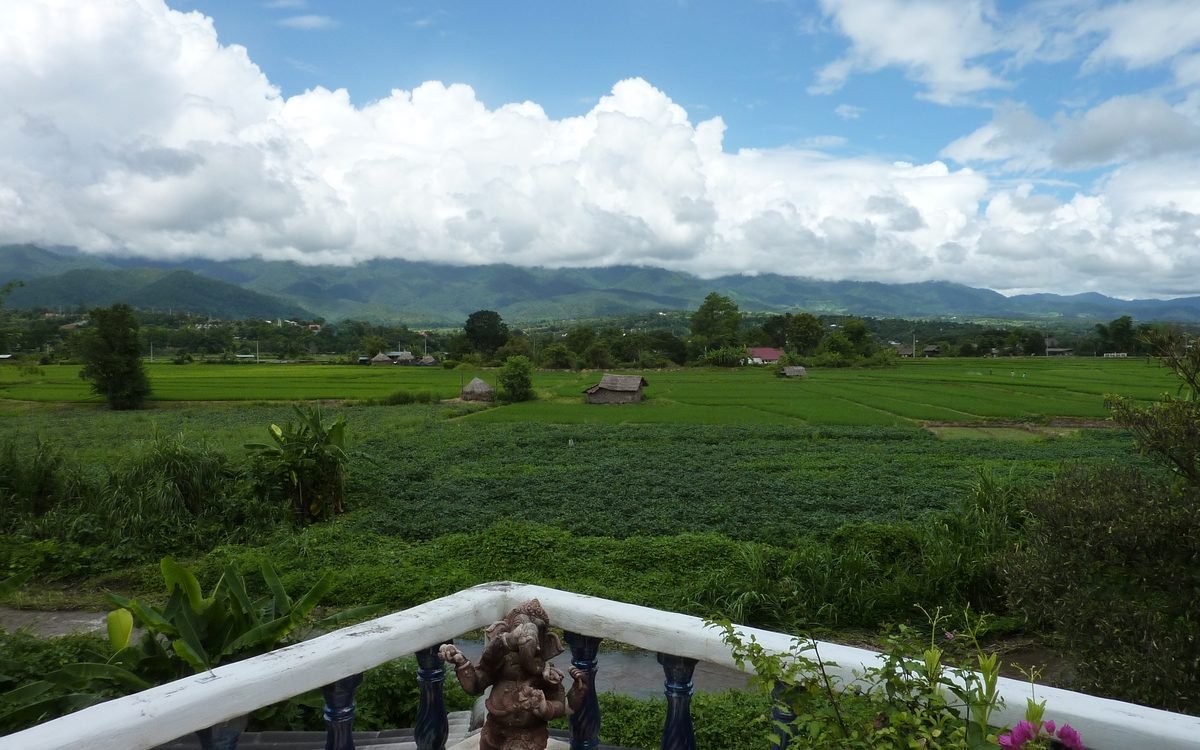
Chiang Mai is the easy-going soul of northern Thailand: a moated old city packed with some three hundred temples, ringed by misty mountains, and infused with a coffee-and-cafe culture that has made it a magnet for digital nomads. Founded in 1296 as the capital of the Lanna kingdom, it still has its own dialect, cuisine and crafts. After the intensity of Bangkok it feels like exhaling.
Two to four nights lets you wander the old town's temples, ride up to Doi Suthep, spend a morning with elephants at an ethical sanctuary, and eat your way through the night markets. With four nights you can add Doi Inthanon, a cooking class or a mountain village stay.
🌴 Chiang Mai in your trip?
Add it in the trip planner →For each activity you get up-to-date availability and prices — so you book ahead at the best rate.
Chiang Mai International Airport sits only a few kilometres southwest of the old city, with frequent flights from Bangkok taking just over an hour. The overnight sleeper train from Bangkok's Krung Thep Aphiwat terminal takes around 11-13 hours and is a classic journey, while buses from Mo Chit take about 10 hours. Within the compact old city you can mostly walk. For everything else, Grab works well, red songthaews (shared trucks) can be flagged down for 30-40 baht around town, and renting a scooter (200-250 baht a day) frees you for the mountains - but ride carefully on steep, winding roads.
Inside the old city walls you are steps from the temples, markets and cheap guesthouses - the classic first base, with quieter lanes in the northern half. Trendy Nimmanhaemin (Nimman), near the university, is the cafe-and-cocktail district beloved of nomads, with smarter apartments, malls and coworking. Riverside (Wat Ket and Charoenrat Road) offers boutique hotels and a calmer vibe along the Ping River, while the Night Bazaar area suits shoppers and has plenty of mid-range hotels. For space and greenery, resorts in the Mae Rim valley north of town are a 30-minute drive away.
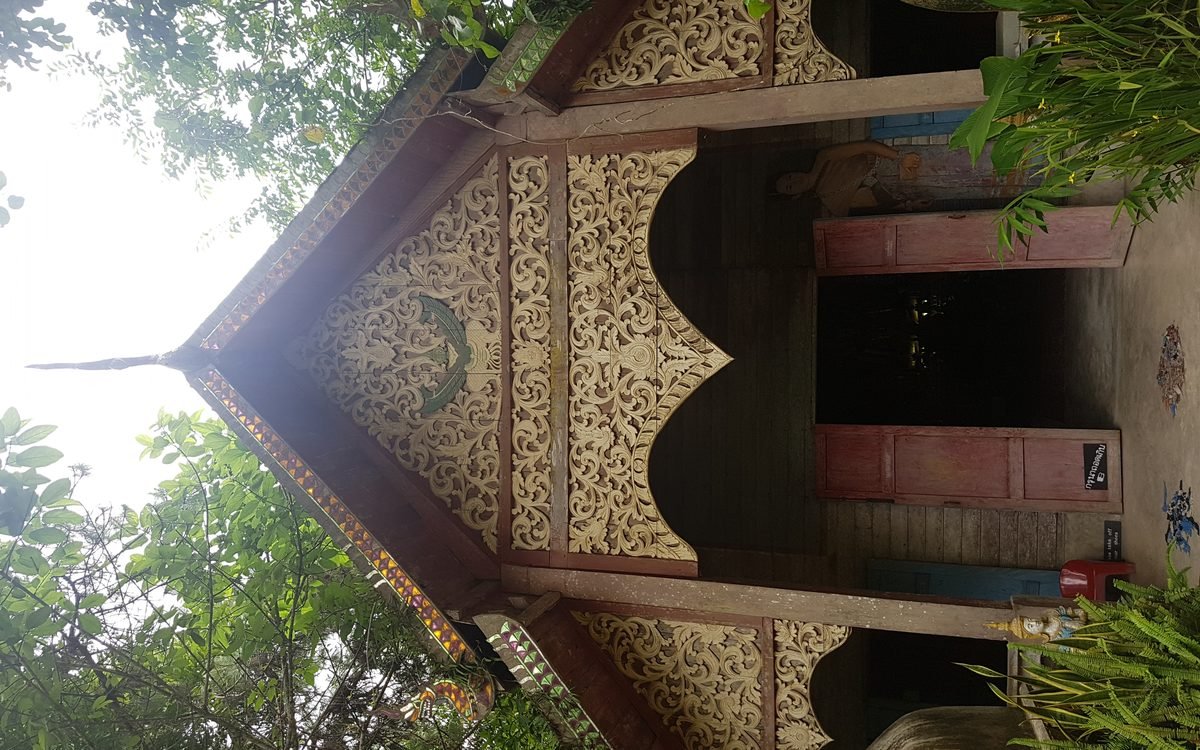
In the old town, don't miss Wat Chedi Luang's ruined brick stupa, partly toppled by an earthquake centuries ago, and the small lanes of quieter wats around it. Wat Phra Singh is the city's most revered temple, with fine Lanna murals, while Wat Chiang Man is the oldest, with a chedi supported by stone elephants. Just west of the moat, Wat Suan Dok has white chedis against the mountains, and forest-set Wat Umong has meditation tunnels. Several temples offer 'monk chats', where you can ask novices about Buddhism. Dress modestly with shoulders and knees covered, and remove shoes before entering halls.
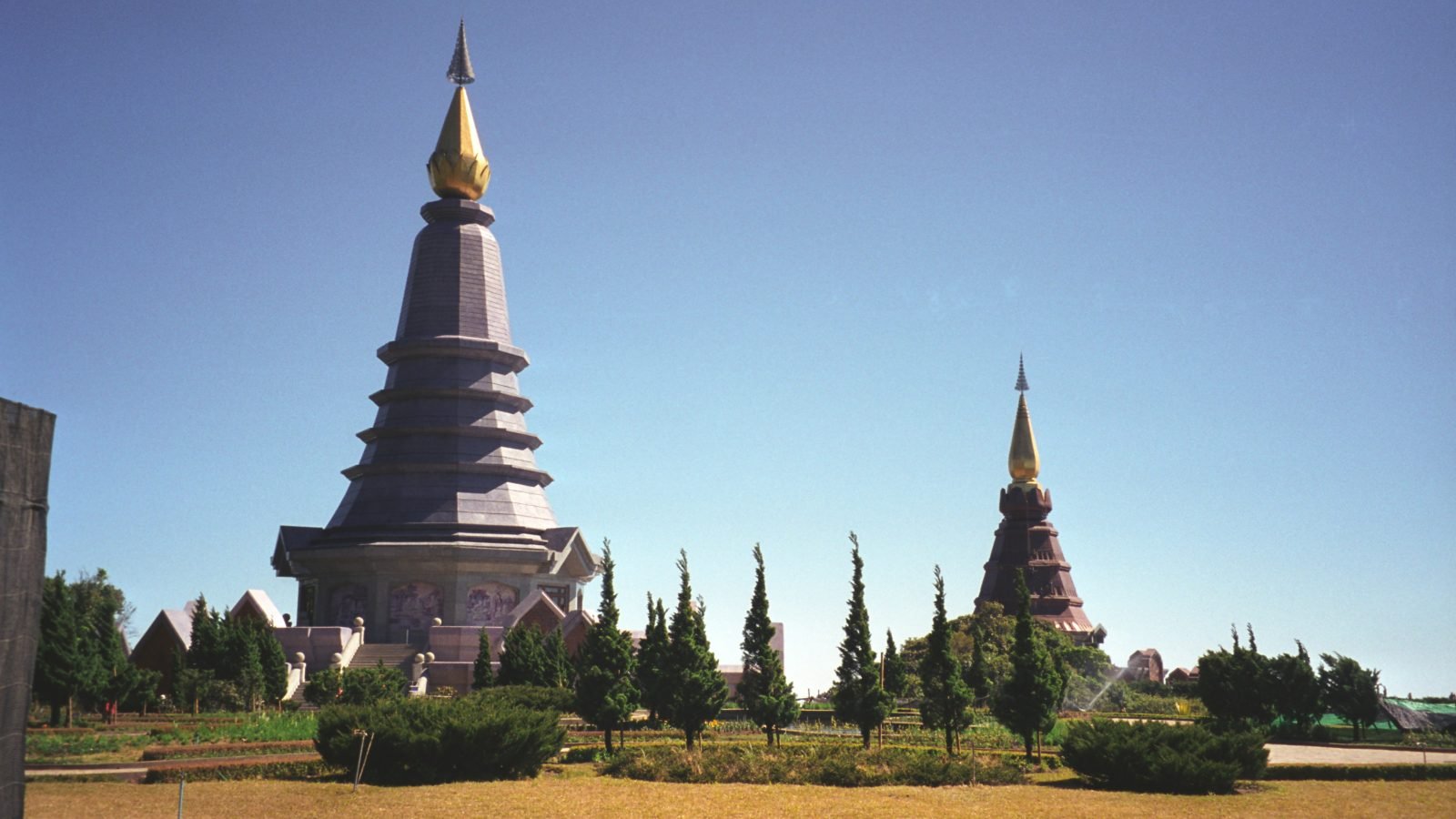
The signature half-day trip is up to Wat Phra That Doi Suthep, the golden mountain temple with city views, reached by a long naga staircase - go by songthaew from the zoo. Further out, Doi Inthanon, Thailand's highest peak, makes a full day of waterfalls, cloud forest and the twin royal pagodas. The hill village of Mae Kampong offers homestays and coffee plantations, and Chiang Rai's White Temple is a long day trip. For elephants, choose a genuine no-riding sanctuary - feeding, walking and mud baths, not shows. Cooking classes on organic farms are another favourite half-day.
The northern dish to hunt down is khao soi - a rich, curried coconut noodle soup - alongside sai ua (herby sausage) and nam prik dips. The Sunday Walking Street down Ratchadamnoen Road is the great weekly event: crafts, buskers and a food-lined temple courtyard, with a smaller Saturday version on Wualai Road. The nightly Night Bazaar and the Chang Phueak Gate stall of the 'Cowboy Hat Lady', famous for khao kha moo (braised pork leg), are institutions, and Warorot Market is the place for local snacks. And yes, sample the coffee - the northern hills grow excellent arabica, and cafes here take it seriously.
The sweet spot is November to February - cool, clear and green, with chilly mornings in the mountains, so pack a light jacket. November also brings Yi Peng and Loi Krathong, when lanterns and candles float along the Ping River; mass lantern releases are now tightly regulated, so book official events ahead. Avoid the burning season (roughly March to April), when agricultural smoke haze can smother the valley; head to the islands instead. Mid-April's Songkran water festival is at its wildest around the moat. The June-October rains bring lush scenery, lower prices and afternoon downpours.
Compare prices from several providers for this place in one click.
All hotels in Chiang Mai →With 2-4 nights you can do the old city, Doi Suthep, an ethical elephant sanctuary and the night markets.
Go deeper with our complete Chiang Mai guides:
Ready to plan?
Build your Thailand route →