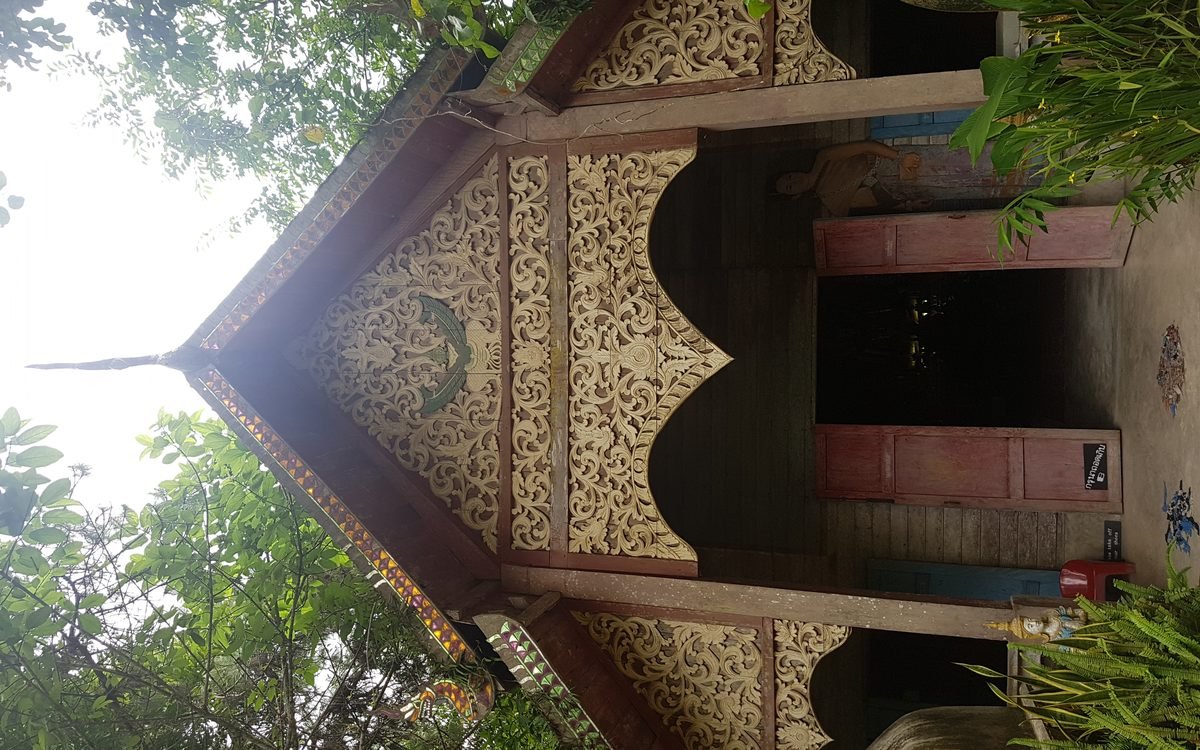
For a first visit, stay in or just outside the Old City, close to the temples and the Sunday Walking Street. Choose Nimman for cafes and nightlife, the riverside for boutique hotels and calm, and Mae Rim for a mountain resort escape.
Check real-time availability and prices for hotels in Chiang Mai, taxes included, and book directly - many rooms come with free cancellation.
Chiang Mai is easy to get around, but where you sleep still shapes your trip. The walled Old City is walkable and full of temples; Nimman, 2 km to the west, is younger and livelier; the Ping River 1 to 2 km east is quieter and more upmarket. Distances are short and a Grab across town rarely costs more than 100 to 150 THB, so no choice here is a bad one. It is more about the atmosphere you want outside your door at 8 in the morning and 10 at night.
| Area | Best for | Mid-range double per night |
|---|---|---|
| Old City | First-timers, temples, walking | 1,200 to 3,000 THB |
| Nimman | Cafes, nightlife, digital nomads | 1,500 to 3,500 THB |
| Riverside / Wat Ket | Couples, boutique stays, calm | 2,000 to 5,000 THB |
| Night Bazaar / Chang Klan | Shopping, easy airport access, chain hotels | 1,200 to 3,500 THB |
| Santitham / Chang Phueak | Local life, longer stays, value | 700 to 1,800 THB |
| Mae Rim and Hang Dong | Resorts, nature, families | 3,000 to 20,000+ THB |
Prices are typical for November to February, the cool high season; expect 20 to 40 percent less from May to October. Around Yi Peng in November and Songkran in April, rooms in the Old City and riverside sell out weeks ahead. For the city in general, see our Chiang Mai destination guide, and compare other regions in where to stay in Thailand.
The square inside the moat, about 1.5 km per side, holds the city's most important temples, including Wat Chedi Luang, Wat Phra Singh and Wat Chiang Man, plus hundreds of guesthouses, massage shops and small restaurants. You can walk everywhere, the Sunday Walking Street runs straight through the centre, and red songthaews pass constantly on the moat roads.
Pros: walkable, characterful, a huge range of budgets, quiet lanes (sois) away from the main roads. Cons: few big pools, some streets near Tha Phae Gate and the northeast corner bars get noisy, and hotel rooms are often small.
Where to look: the southwest quarter around Wat Phra Singh and Samlan Road is the calmest. For heritage style, Rachamankha and Tamarind Village are two well-known boutique hotels built in Lanna style. Budget travellers will find dorm beds from about 250 to 450 THB and simple private rooms from 600 THB. Just outside the moat, the Tha Phae Gate area gives you both Old City access and the Night Bazaar within a 15-minute walk.
Nimmanhaemin Road and its numbered sois form Chiang Mai's modern district, next to Chiang Mai University. It is packed with speciality coffee, co-working spaces, design shops, cocktail bars and restaurants, anchored by the One Nimman and Maya shopping centres. Many long-stay remote workers base themselves here, so serviced apartments and condo rentals are easy to find.
Pros: the best eating and drinking in the city, newer hotels with pools and good wifi, a short ride to the Doi Suthep songthaew stand at the university gate. Cons: little traditional atmosphere, traffic on Nimman Road itself, and it is a 20 to 30 minute walk to the Old City temples.
Where to look: the quieter even-numbered sois on the west side, and the streets around Soi 17 for smaller hotels. Akyra Manor is one of the area's best-known upscale boutique options with a rooftop pool.
East of the Night Bazaar, the Ping River banks hold some of Chiang Mai's most atmospheric hotels, set in gardens and restored teak buildings. The Wat Ket area on the east bank has old shophouses, galleries, the small Wat Ket Museum and riverside restaurants, and feels far removed from the tourist hustle while being only a 10-minute ride from the Old City.
Pros: calm, romantic, excellent upscale options, sunset river views. Cons: you will use Grab more often, fewer cheap eats at night on the east bank, and mosquitoes near the water.
Where to look: 137 Pillars House, built around a 19th-century teak house of the old Borneo Company, is one of the city's most celebrated luxury stays. Anantara Chiang Mai Resort sits right on the west bank within walking distance of the Night Bazaar, and Raya Heritage is a design-led resort on a quieter stretch of river north of town.
The streets around Chang Klan Road, between the Old City and the river, are where you find the daily Night Bazaar, the Anusarn and Kalare food areas and a cluster of larger international and chain hotels. It is practical rather than charming, with a good choice of rooms with pools in the mid-range bracket and only 10 to 15 minutes by car to the airport.
Pros: reliable mid-range hotels, walkable to both the Old City (Tha Phae Gate) and the river, lots of evening food. Cons: touristy, busier traffic, and the market itself repeats the same souvenirs night after night.
North of the Old City, around Chang Phueak Gate and the Santitham neighbourhood, you are among students, office workers and local food markets. The Chang Phueak Gate night market is one of the best places in the city for a cheap dinner, and the North Gate Jazz Co-Op is right on the moat. Rooms and monthly apartments here are among the best value in Chiang Mai, and Nimman is a 10-minute ride away.
Pros: authentic, inexpensive, good for stays of a week or longer. Cons: fewer hotels with facilities, and you need transport for most sights beyond the northern Old City.
About 20 to 30 minutes north of the city, the Mae Rim valley has rice terraces, forested hills and some of Thailand's finest resort hotels, including the Four Seasons Resort Chiang Mai. It is also close to the Mae Sa waterfalls, the Queen Sirikit Botanic Garden and many farm-based cooking schools. South-west of the city, Hang Dong offers pool villas and family resorts closer to the airport and the road to Doi Inthanon.
Pros: space, big pools, cooler evenings, quiet. Cons: you depend on the hotel shuttle, Grab or a hired driver, and a trip into town for dinner costs 300 to 500 THB each way. Works best as the last two nights of a trip after you have explored the city.
Chiang Mai International Airport (CNX) is only 3 to 4 km from the Old City, so a 07:00 flight is no problem from anywhere central. Many small Old City guesthouses have no lift and steep stairs, so ask for a ground-floor room if luggage or mobility is an issue.
Once you know your area, plan your days with our list of the best things to do in Chiang Mai and the Chiang Mai in 3 days itinerary, then compare live hotel prices in Chiang Mai. Budgeting the whole trip? See what a Thailand trip costs.
Check real-time availability and prices for hotels in Chiang Mai, taxes included, and book directly - many rooms come with free cancellation.
Chiang Mai is one of the best-value cities in Thailand for accommodation, and the gap between budget and comfort is smaller than in Bangkok or the islands.
Getting between areas is simple. Grab and Bolt are widely used, red songthaews charge around 30 to 40 THB per person for short hops within town, and the airport is about 15 minutes from most central hotels.
The Old City, inside the moat. You can walk to the main temples, the Sunday Walking Street and hundreds of restaurants, and it suits every budget.
The Old City is better for temples and traditional atmosphere; Nimman is better for cafes, modern restaurants and nightlife. They are only 2 km apart, so either works as a base.
Dorm beds start around 250 THB and simple private rooms around 600 THB. Good mid-range hotels cost roughly 1,200 to 3,500 THB a night in high season, and luxury resorts start around 6,000 THB.
Families usually do best in a hotel with a pool near the Night Bazaar or in a resort in Hang Dong or Mae Rim, with space to relax between day trips.
Yes, for one or two nights. Resorts in Mae Rim or the hills are cooler and quieter, but you will need a driver or Grab to reach the city.