Home › Destinations › Mae Hong Son
Mae Hong Son Mountains
Mae Hong Son
A misty mountain town near the Myanmar border, with Shan-style temples on a lake, tea villages and some of Thailand's most scenic roads.
📅 2–3 nightsNatureQuietAuthenticCulture
A misty mountain town near the Myanmar border, with Shan-style temples on a lake, tea villages and some of Thailand's most scenic roads.
Why Mae Hong Son? A misty mountain town near the Myanmar border, with Shan-style temples on a lake, tea villages and some of Thailand's most scenic roads.
Tucked into a mountain valley close to the Myanmar border, Mae Hong Son is one of Thailand's most remote provincial capitals, and it feels it. Shan-style temples with tiered tin roofs reflect in a small central lake, morning mist hangs over the surrounding forest, and the pace is gentle. It suits slow travellers, road trippers and anyone curious about the Shan and Yunnanese cultures of the border hills.
Plan two to three nights: one day for the town and its temples, another for the tea village of Ban Rak Thai and the Pang Ung reservoir, and time to rest after the famously winding journey in.
🌴 Mae Hong Son in your trip?
Add it in the trip planner →For each activity you get up-to-date availability and prices — so you book ahead at the best rate.
The quickest way in is a short flight from Chiang Mai to Mae Hong Son airport, which sits right on the edge of town, though schedules are limited and change often. By road it is roughly 6-8 hours from Chiang Mai on the northern route via Pai, with minivans from Chiang Mai's Arcade bus station and a road known for its countless curves - take motion-sickness pills. The town centre is walkable, but for the sights around it you need a rented scooter, car or a driver hired through your guesthouse.
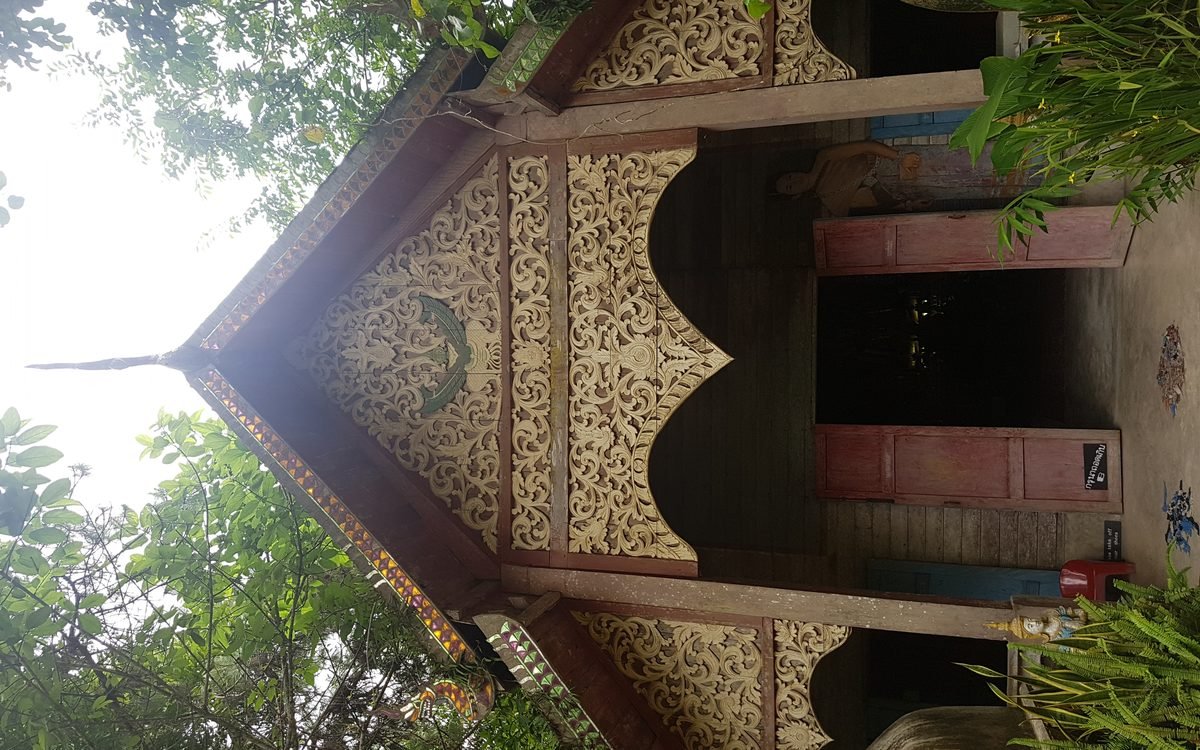
Life revolves around Jong Kham Lake, where the white and gold Wat Chong Kham and Wat Chong Klang show off their Burmese-Shan architecture, carved teak and glass mosaics. Visit at dusk, when the temples are lit and reflect in the water. Above town, Wat Phra That Doi Kong Mu is the classic sunrise spot, looking down on a valley filled with mist. The morning market is a good place to see Shan, Karen and Thai traders side by side, selling mountain vegetables, river fish and Shan snacks. Dress respectfully in the temples, covering shoulders and knees.
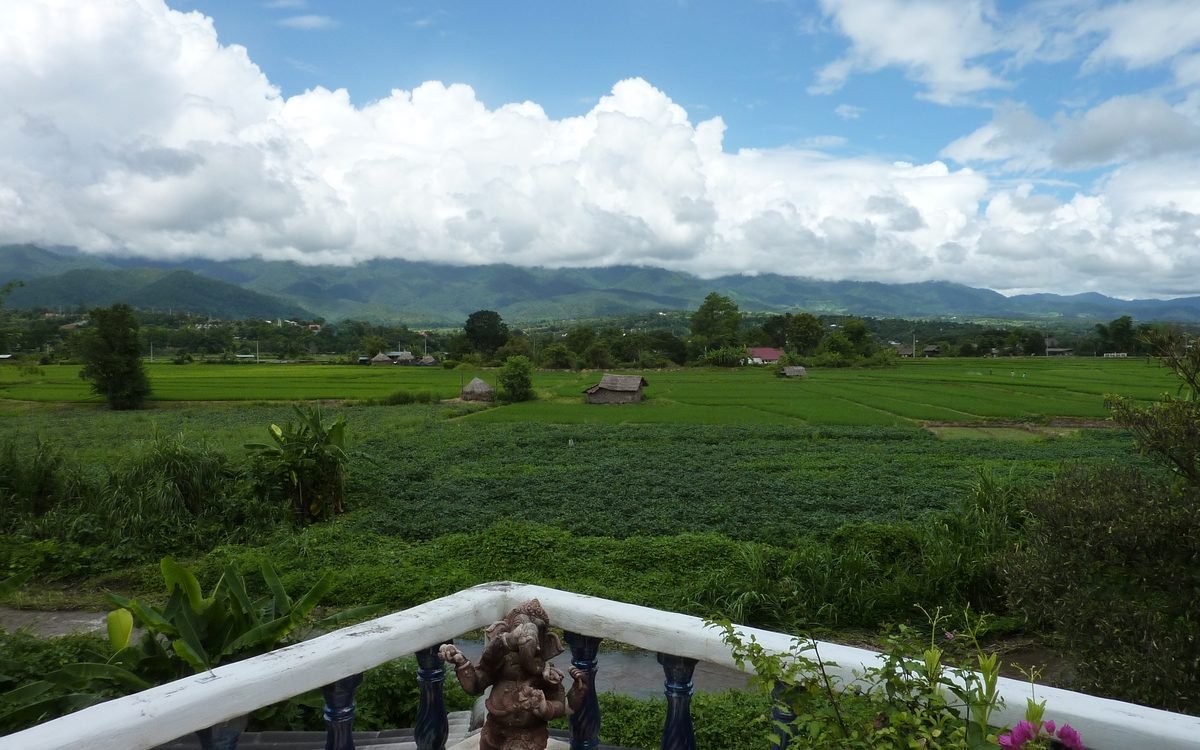
The best day trip heads north to Ban Rak Thai, a village founded by Chinese Kuomintang soldiers, where Yunnanese dishes and oolong tea are served beside a reservoir ringed by tea terraces. On the way, the pine-fringed lake of Pang Ung is magical at sunrise in the cool season. Closer to town, walk the woven Su Tong Pae Bamboo Bridge over rice fields, and on the road towards Pai, the huge Tham Lod cave near Soppong is explored by lantern and bamboo raft.
Mae Hong Son's food leans Shan and Yunnanese: look for noodle soups, pickled tea leaf salads and Chinese-style pork leg in Ban Rak Thai. In the cool season a night market sets up along Jong Kham Lake, with grilled snacks, sweets and hill-tribe crafts, and the lakeside cafes are the town's social hub. Nightlife is minimal - evenings are for a slow dinner, a stroll around the illuminated temples and an early night before a sunrise viewpoint. Accommodation ranges from simple guesthouses around the lake to a few resorts in the surrounding countryside, and it is worth booking ahead in December and January.
November to February is the best time, with cool, clear days, cold nights and the wild Bua Tong sunflowers blooming on Doi Mae U-Kho in November. From roughly February to April the region suffers from smoke haze caused by forest and field burning, which can make air quality poor and occasionally disrupt flights. The rainy season from June to October is green and quiet, but mountain roads can be slippery and affected by landslides, so allow extra time.
Compare prices from several providers for this place in one click.
All hotels in Mae Hong Son →2-3 nights to explore the lakeside temples, reach Ban Rak Thai and Pang Ung, and recover from the winding drive.
Ready to plan?
Build your Thailand route →