Home › Destinations › Ayutthaya
Central Thailand
Ayutthaya
The ancient royal capital (UNESCO): centuries-old temple ruins and the famous Buddha head cradled in tree roots.
📅 1–2 nightsCultureAuthenticNature
The ancient royal capital (UNESCO): centuries-old temple ruins and the famous Buddha head cradled in tree roots.
Why Ayutthaya? The ancient royal capital (UNESCO): centuries-old temple ruins and the famous Buddha head cradled in tree roots.
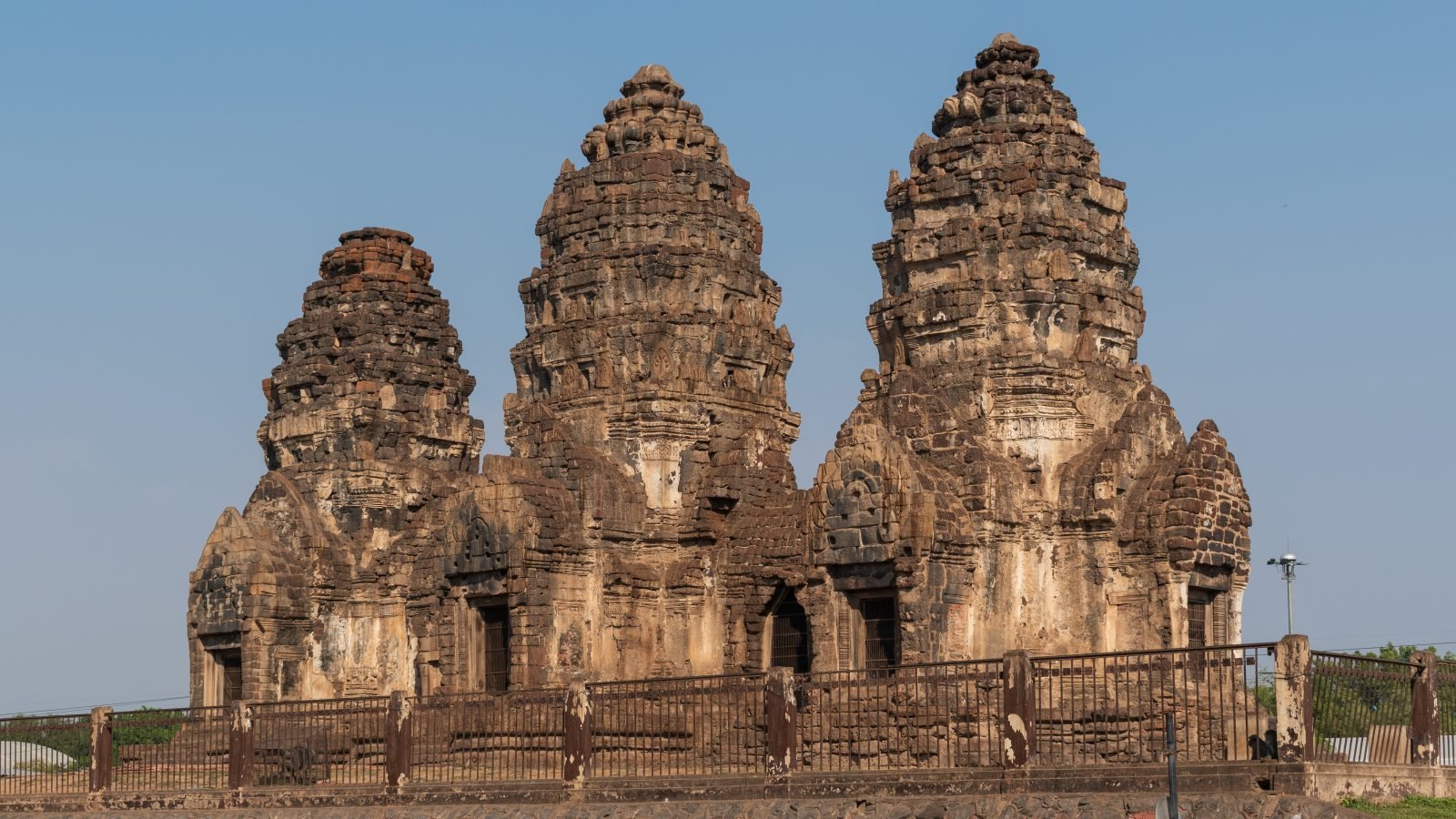
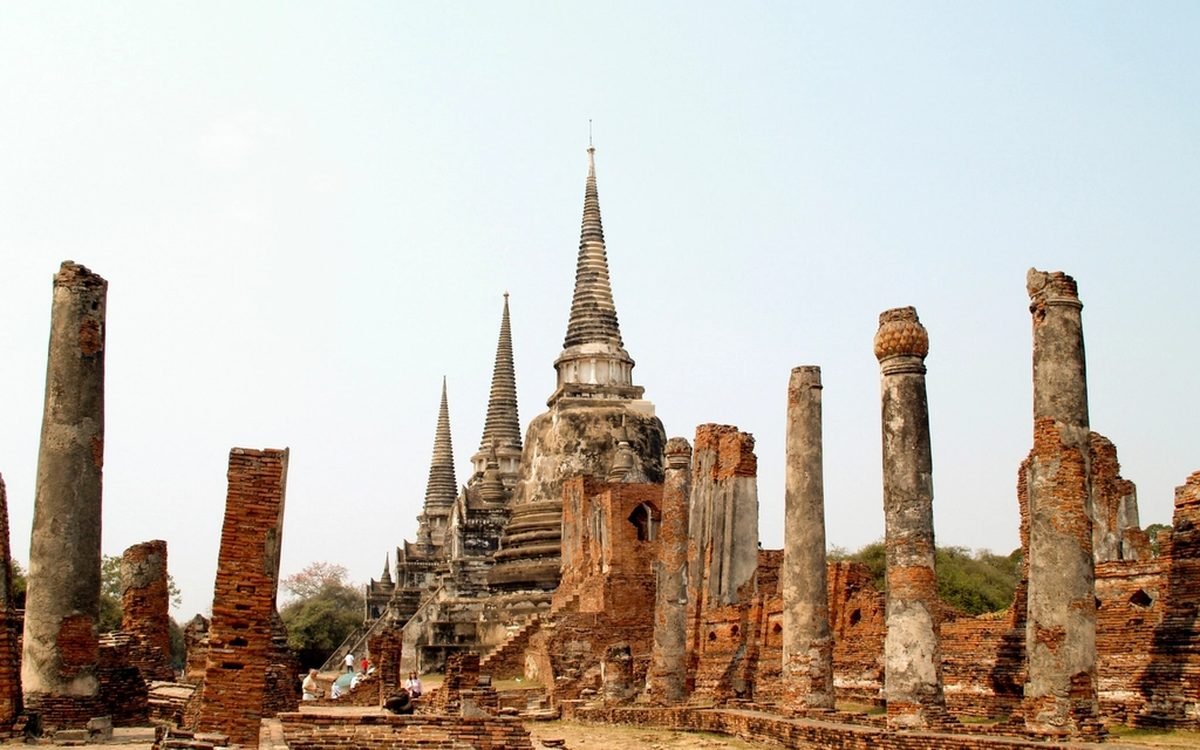
An hour and a bit north of Bangkok lie the bones of a city that was once one of the largest and richest on earth. Ayutthaya was the Siamese capital for four centuries until Burmese armies razed it in 1767, and what remains - brick prangs, headless Buddhas, a single stone Buddha head cradled forever in fig-tree roots - is quietly haunting. The ruins are now a UNESCO World Heritage Site, scattered across an island ringed by three rivers.
One night is plenty, and it works just as well as a day trip. But staying over lets you cycle the ruins at golden hour when the tour buses have gone, see the floodlit temples after dark and eat at the night market. With two nights you can add the outlying temples and Bang Pa-In palace.
🌴 Ayutthaya in your trip?
Add it in the trip planner →For each activity you get up-to-date availability and prices — so you book ahead at the best rate.
The cheapest and most atmospheric way in is the ordinary train from Bangkok's Krung Thep Aphiwat or Hua Lamphong stations (roughly 1.5-2 hours, tickets from about 15-65 baht); minivans from the Northern Bus Terminal (Mo Chit) are quicker. The station sits on the east bank, and a little cross-river ferry takes you onto the island for a few baht. The historical park is spread out but flat, so rent a bicycle (about 50 baht a day) or a motorbike from a guesthouse, or hire a tuk-tuk driver by the hour (around 200-300 baht) to loop the main temples. Leisurely river cruises from Bangkok are another scenic option.
Most travellers base themselves on Ko Ratana Chai island itself, around Naresuan Road and the Bang Ian Night Market, where budget guesthouses and a growing number of stylish riverside boutiques sit within cycling distance of the ruins. The quieter lanes near the Pa Sak River and the station hold simple, good-value rooms, while a handful of upmarket riverside resorts on the outer banks offer pools and terraces facing the water. It is a small, low-key town - do not expect nightlife beyond a riverside beer, which is rather the point. Book a room with a bike included and you can be among the ruins before breakfast.
Don't try to see all forty-something temples. The essentials: Wat Mahathat for the iconic Buddha head in the tree roots (crouch down for photos - your head should not be above the Buddha's); Wat Phra Si Sanphet with its three restored chedis, once the royal temple within the palace grounds; neighbouring Wat Ratchaburana, whose crypt held a hoard of gold treasures; and Wat Chaiwatthanaram, the Khmer-style riverside complex that glows at sunset and is worth timing your day around. Most major temples charge a small entry fee, and a multi-temple pass saves a little over paying per site. Dress modestly and bring plenty of water.
A few of the finest sights lie just off the island. Wat Yai Chai Mongkhon, to the southeast, has a towering chedi and rows of saffron-draped Buddhas, while nearby Wat Phanan Choeng shelters a huge seated Buddha still busy with worshippers. On the west side, the long white reclining Buddha of Wat Lokayasutharam lies in open fields. About 20 km south, the Bang Pa-In Royal Palace is an eclectic summer retreat of European, Chinese and Thai pavilions set around lakes. Skip the elephant rides offered near the ruins; the ruins are far more rewarding by bicycle anyway.
Ayutthaya's signature dish is boat noodles (kuaitiao ruea) - small, intense bowls you order several of - plus the local giant river prawns (kung mae nam), grilled and pricey but memorable. For dessert, try roti sai mai, thin pancakes wrapped around strands of coloured candy floss sold along the main road. The Bang Ian Night Market and the smaller riverside markets are the best evening grazing. Cap the day with a slow sunset river cruise past the floodlit temples, usually arranged through your guesthouse, then take a last look at the illuminated prangs on the ride home.
The best months are November to February, when mornings are cool enough for long bike rides. March to May is fiercely hot, so start at sunrise and rest at midday. The wet season from June to October brings afternoon storms, and in heavy years the rivers can flood low-lying areas around September and October. Weekends bring day-trippers from Bangkok, so weekdays are calmer. Several temples, including Wat Chaiwatthanaram and Wat Mahathat, are lit up in the evening, and in December the town hosts a heritage festival with light shows among the ruins. Carry small notes for entry fees, ferries and snacks.
Compare prices from several providers for this place in one click.
All hotels in Ayutthaya →One night is enough to explore the ruins by bike or tuk-tuk; it also works as a day trip from Bangkok.
Go deeper with our complete Ayutthaya guides:
Ready to plan?
Build your Thailand route →