Home › Destinations › Kanchanaburi
West-Central Thailand
Kanchanaburi
A green river region with the famous bridge over the River Kwai, waterfalls and floating raft houses.
📅 1–2 nightsNatureCultureAdventure
A green river region with the famous bridge over the River Kwai, waterfalls and floating raft houses.
Why Kanchanaburi? A green river region with the famous bridge over the River Kwai, waterfalls and floating raft houses.
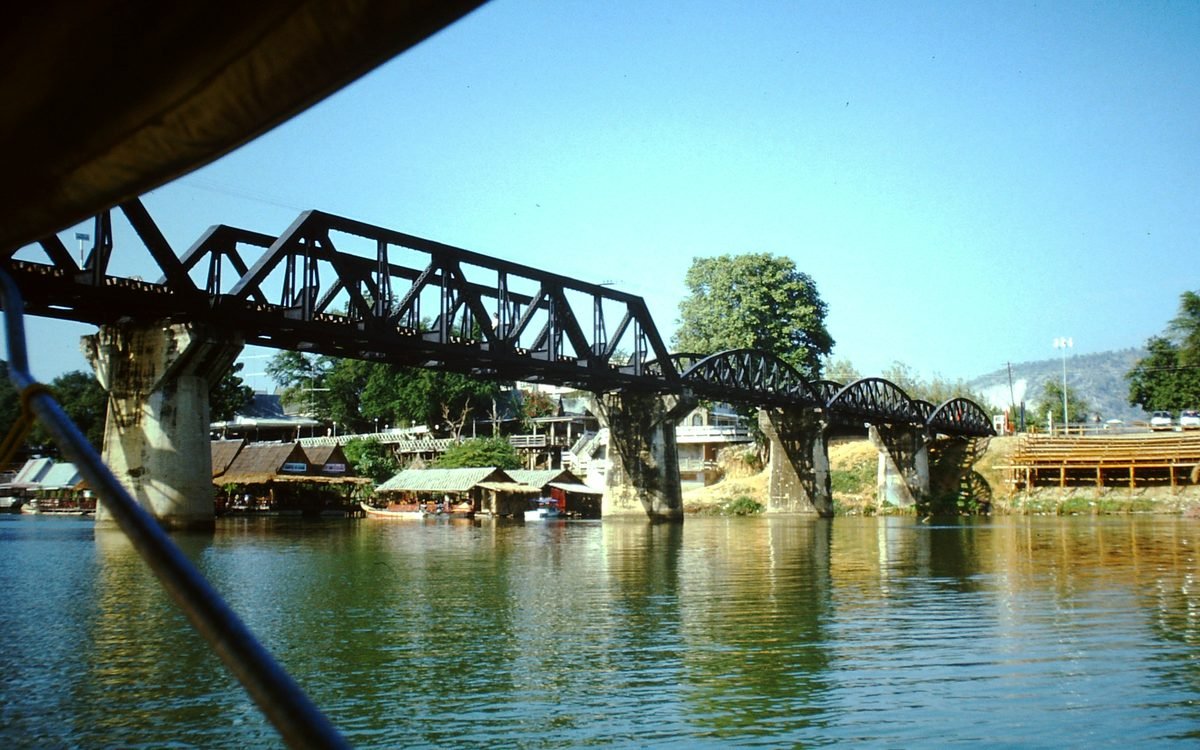
Two to three hours west of Bangkok, Kanchanaburi trades city noise for a wide green river valley pressed up against forested hills and the Myanmar border. It is best known for a sombre chapter of history - the bridge over the River Kwai and the WWII 'Death Railway' built by Allied POWs and Asian labourers - but it is also a place of waterfalls, caves, limestone ridges and floating raft houses.
Plan on one or two nights: enough for the bridge and war memorials, a swim in the Erawan falls and a night sleeping on the water. With a second night you can ride the railway to Nam Tok, walk Hellfire Pass and spend a lazy evening on a riverside terrace instead of rushing back to Bangkok.
🌴 Kanchanaburi in your trip?
Add it in the trip planner →For each activity you get up-to-date availability and prices — so you book ahead at the best rate.
Minivans from Bangkok's Mo Chit and Southern (Sai Tai) terminals are the fastest (about 2.5-3 hours). The slow, scenic option is the train from Bangkok's Thonburi station, which lets you ride a stretch of the original Death Railway - the leg clinging to the cliff along the Wampo viaduct near Tham Krasae is the memorable bit, and the line ends at Nam Tok. Once there, the town is spread along the river, so rent a scooter or use Grab and local songthaews; Erawan, Hellfire Pass and the more distant sights really need a scooter, a hired driver or a day tour. Buses to Erawan and Sai Yok leave from the town bus station.
The signature experience is a floating raft house - a bamboo bungalow moored on the river, from rustic backpacker rooms to comfortable resorts. Many cluster upstream near the bridge and out towards Sai Yok, where some are reachable only by longtail boat. The backpacker strip runs along Mae Nam Khwae Road with cheap guesthouses, bars and tour desks, all within cycling distance of the bridge and museums. For quiet, look further up the valley towards the national parks or the forested shores of Srinakarin Lake. Note that raft rooms can be basic and noisy at weekends when karaoke boats pass, so read recent reviews first.
Give the war history the time it deserves. Start at the excellent Thailand-Burma Railway Centre museum, then cross the road to the moving Kanchanaburi Allied War Cemetery, where almost 7,000 prisoners of war are buried. Walk across the bridge over the River Kwai itself early in the morning, before the crowds, and visit the quieter Chungkai cemetery by the river. Further out, the Hellfire Pass memorial walk follows a cutting hacked through solid rock by hand, with an Australian-run museum and audio guide that bring the story alive. Allow at least half a day for Hellfire Pass, and bring water and sturdy shoes.
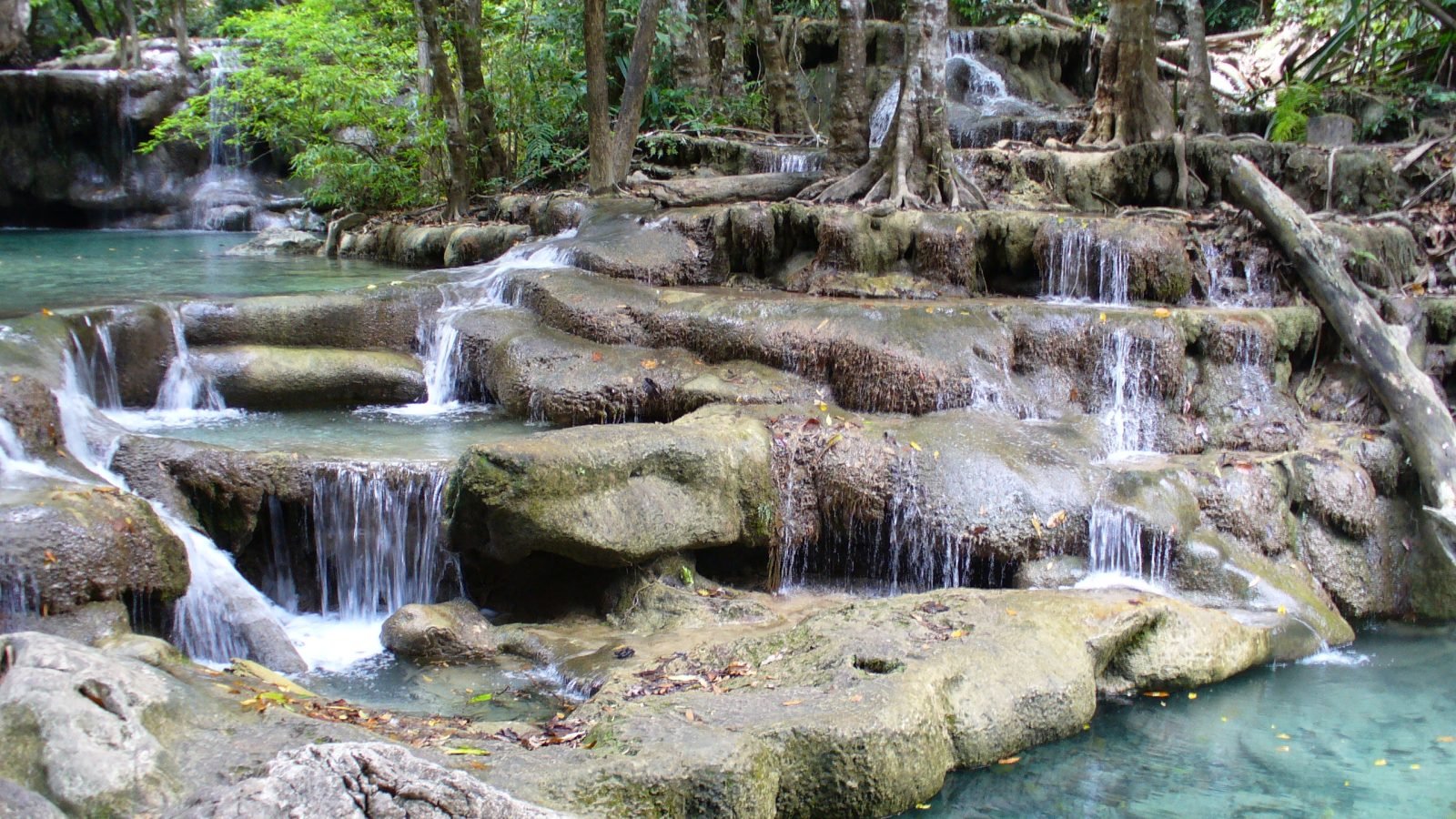
For nature, the seven turquoise tiers of Erawan waterfalls (about 90 minutes away) are the star - bring water shoes, as the higher pools are the prettiest, and arrive early before the tour groups. Sai Yok National Park has its own waterfalls, bat caves and river scenery, and the small Sai Yok Noi falls sit close to the Nam Tok railway terminus. Near the Wampo viaduct, Tham Krasae cave holds a Buddha shrine overlooking the river. Kayaking and bamboo rafting are popular on calmer stretches. If you visit elephants, choose a genuine no-riding sanctuary focused on welfare rather than shows.
Dining here is relaxed and riverside - floating restaurants and raft-house terraces serving fresh river fish, tom yum and cold beer as the sun drops behind the hills. The Mae Nam Khwae backpacker street has the liveliest (still mellow) bar scene, and the small night market near the bus station and the evening stalls by the bridge offer cheap eats such as grilled pork, papaya salad and noodle soups. Try pla tabtim (river fish) steamed with lime and chilli at a riverside kitchen. This is not a party town; the appeal is precisely the calm, with frogs and crickets as the soundtrack.
The most comfortable months are November to February, with cool mornings and dry days for hiking. March to May is very hot, although the waterfalls still have water in their lower tiers. The rainy season from June to October turns the valley lush and fills the falls, but paths get slippery and some river activities pause after heavy rain. In late November and early December the River Kwai Bridge Festival brings a light-and-sound show recreating wartime events at the bridge. Bangkok families flock here on long weekends and public holidays, so visit on weekdays for quieter raft houses and waterfalls.
Compare prices from several providers for this place in one click.
All hotels in Kanchanaburi →Plan on 1-2 nights for the bridge, the Erawan waterfalls and a night in a raft house on the water.
Go deeper with our complete Kanchanaburi guides:
Ready to plan?
Build your Thailand route →