Home › Destinations › Koh Tao
Gulf of Thailand
Koh Tao
The diving island par excellence: cheap PADI courses, colourful reefs and hidden snorkelling bays.
📅 2–3 nightsDivingSnorkelingBeach
The diving island par excellence: cheap PADI courses, colourful reefs and hidden snorkelling bays.
Why Koh Tao? The diving island par excellence: cheap PADI courses, colourful reefs and hidden snorkelling bays.
Little Koh Tao - 'Turtle Island' - is one of the cheapest and friendliest places on earth to learn to scuba dive, which is exactly why most people come. Just 21 square kilometres of granite boulders, jungle hills and small bays, it sits furthest north of the three main Gulf islands and certifies more new divers each year than almost anywhere else. But even non-divers fall for its snorkelling coves, sunset viewpoints and the postcard-perfect trio of islets at Koh Nang Yuan just offshore.
Two to three nights is the minimum; add more if you take a diving course, which typically runs three to four days. Many visitors end up staying a week, splitting their time between the water and a hammock.
🌴 Koh Tao in your trip?
Add it in the trip planner →For each activity you get up-to-date availability and prices — so you book ahead at the best rate.
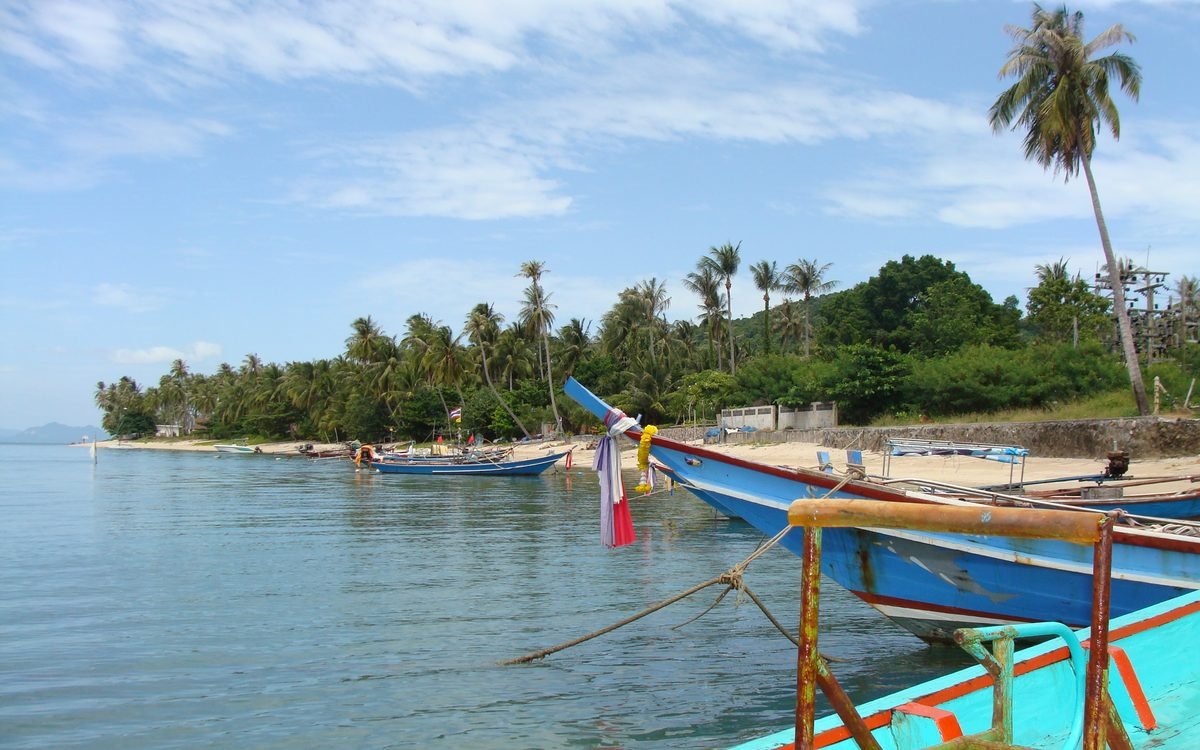
Koh Tao has no airport and is reached by ferry: about 1-1.5 hours from Koh Phangan, 1.5-2 hours from Koh Samui, and around 1.5-2 hours by high-speed catamaran from Chumphon on the mainland, which has train, bus and flight links to Bangkok. A slow night boat also runs from Surat Thani. Boats dock at Mae Haad. Seas can be rough in the November-December monsoon, so pack sea-sickness pills. The island is small; most people walk, take longtail water taxis between bays, or rent a scooter - though the steep, sandy tracks to some viewpoints are best left to experienced riders, or take a 4x4 taxi.
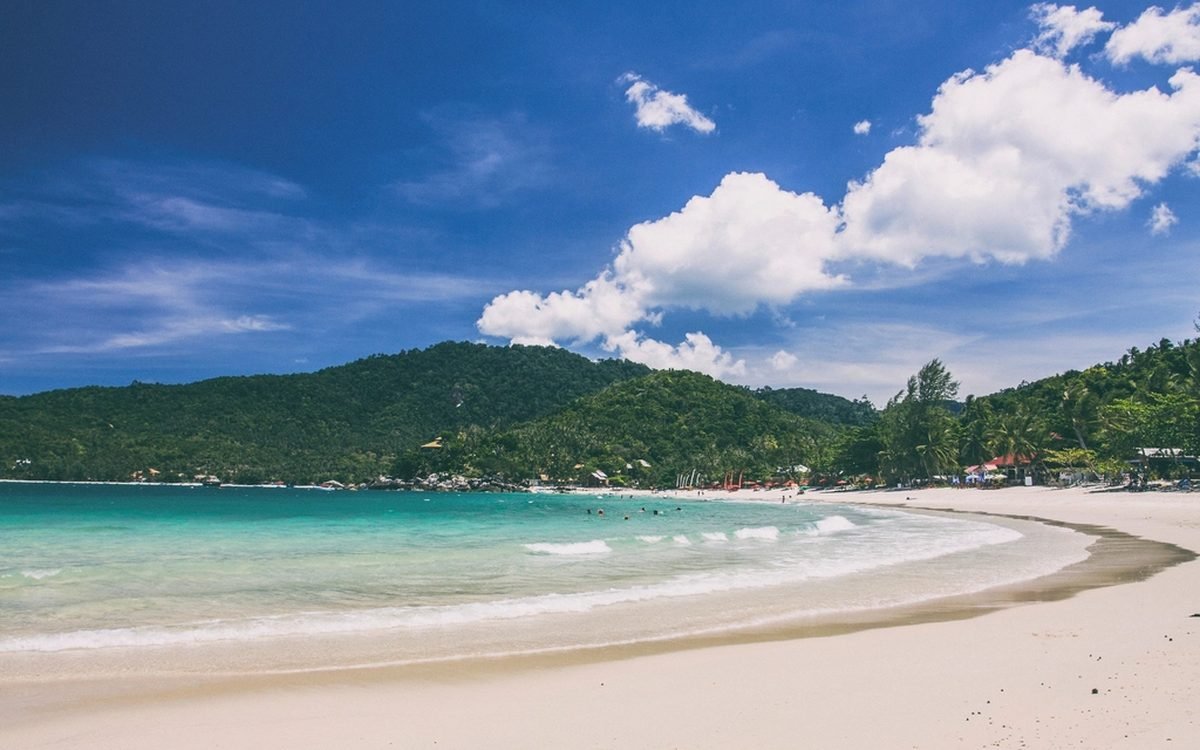
Busy Sairee Beach on the west coast is the main hub - the longest beach, most dive schools, restaurants and nightlife, and the best sunsets. Mae Haad, where the ferries dock, is more compact and practical, with a few beachfront hotels. For quiet, the smaller south- and east-coast bays like Chalok Baan Kao, Tanote and Aow Leuk are calmer and good for snorkelling, though some are reached by steep roads. Many divers simply stay at their dive school, which often bundles cheap rooms with the course, and hillside resorts offer pool villas with sweeping views for a splurge.
This is PADI country - an Open Water course here is among the cheapest anywhere, typically around 10,000-13,000 baht including dives and materials, and the sheer number of schools means fierce competition and good standards; check safety records and group sizes before you sign up. Top sites include Chumphon Pinnacle and Sail Rock, granite pinnacles with big schools of fish and occasional whale sharks, plus easy training reefs and wrecks close to shore. Koh Tao is also a leading place to learn freediving, with calm, deep water just off the bays.
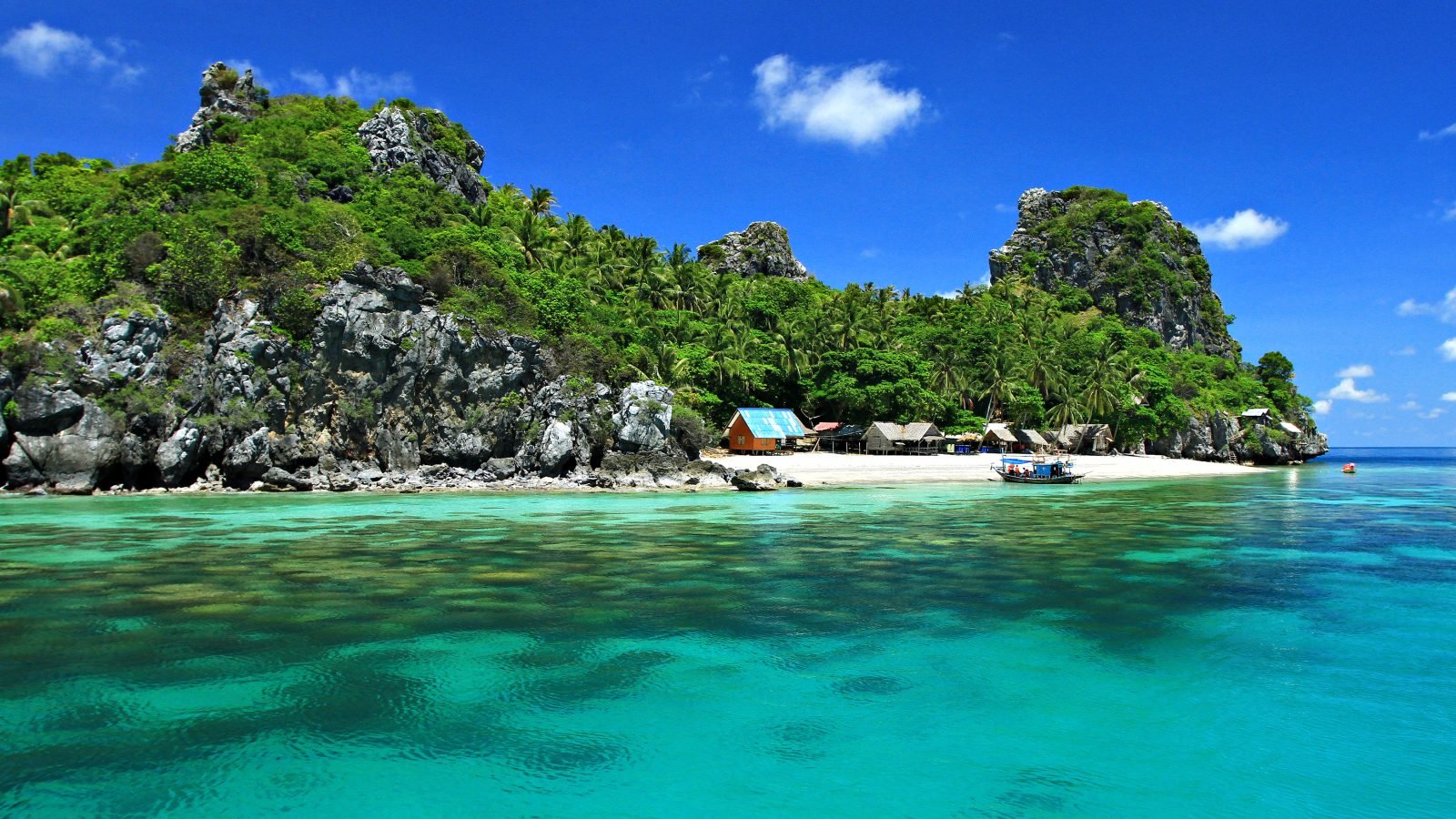
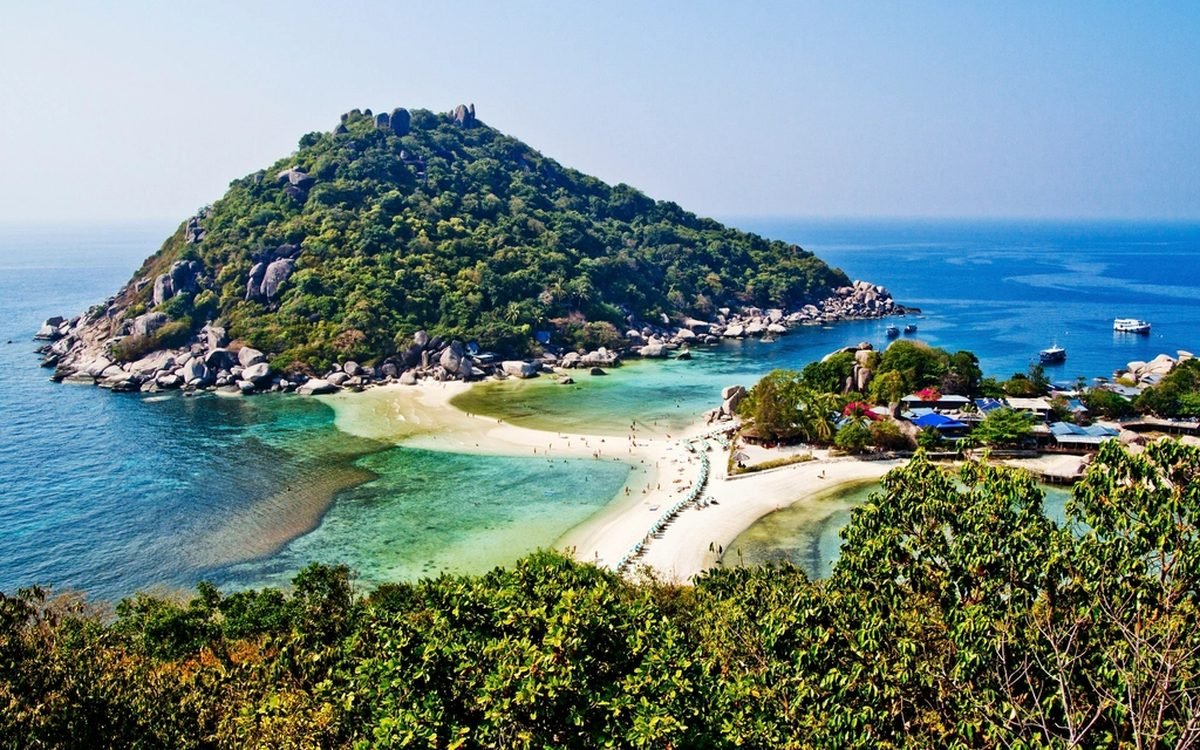
Even without a tank, the water is the star. Snorkel Shark Bay for harmless blacktip reef sharks and turtles, or the sheltered coral coves of Aow Leuk, Tanote and Mango Bay. Take a boat to Koh Nang Yuan - three islets joined by a sandbar, with the island's most famous viewpoint; a landing fee applies and single-use plastic bottles are banned. Climb to the John-Suwan viewpoint at the south tip for a two-bay panorama at sunset. Round-island longtail tours combine several bays in a day. Wear reef-safe sunscreen and keep your fins off the coral.
Eat cheaply and well along Sairee and Mae Haad - fresh seafood, Thai staples, good bakeries and plenty of banana-pancake backpacker fare, alongside a surprising number of international kitchens run by long-stay divers. Sairee Beach strings together beach bars, fire shows and a laid-back, diver-heavy nightlife that is social without the Phangan intensity. Evenings often start with sunset drinks on beanbags and end early, as dive boats leave at dawn. Quieter Chalok Baan Kao has a handful of relaxed restaurants and bars.
Koh Tao follows the Gulf weather pattern, so it is a good choice when the Andaman coast is rainy. The best conditions usually run from March to September, with calm seas and visibility that can exceed 20 metres; whale sharks are most often reported around April-May and September-October. January and February are pleasant but can be breezy. The main rainy season is October to December, peaking in November, when rough seas can cancel ferries and dive trips and cloud the water. Book courses and rooms ahead in July and August.
Compare prices from several providers for this place in one click.
All hotels in Koh Tao →2-3 nights (more if you do a diving course); combine it with snorkelling at Koh Nang Yuan.
Go deeper with our complete Koh Tao guides:
Ready to plan?
Build your Thailand route →