Home › Destinations › Chiang Rai
Far North
Chiang Rai
The far north with the surreal White Temple, the Blue Temple and the mountains of the Golden Triangle.
📅 1–2 nightsCultureNatureAuthentic
The far north with the surreal White Temple, the Blue Temple and the mountains of the Golden Triangle.
Why Chiang Rai? The far north with the surreal White Temple, the Blue Temple and the mountains of the Golden Triangle.
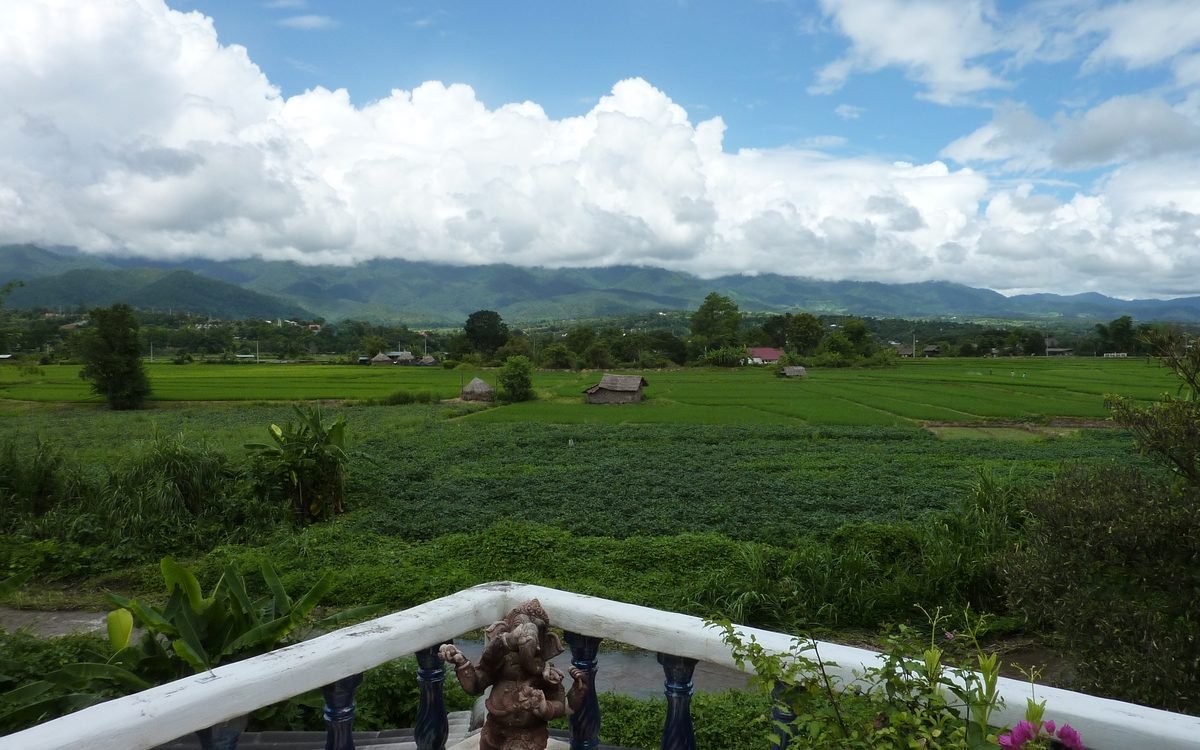
Three hours further north from Chiang Mai, Chiang Rai is quieter, cooler and closer to the frontier where Thailand, Laos and Myanmar meet. Its calling cards are three astonishing modern 'art temples' - the mirror-white Wat Rong Khun, the sapphire-blue Wat Rong Suea Ten and the dark, brooding Baan Dam - set among tea-terraced hills and misty mountains.
The town itself is small, friendly and easy to navigate, with a gilded clock tower, lively night markets and a relaxed pace that many travellers prefer to busier Chiang Mai. One or two nights covers the temples and an excursion out to the tea plantations of Doi Mae Salong or the Golden Triangle on the Mekong, and it also makes a handy stepping stone towards Laos.
🌴 Chiang Rai in your trip?
Add it in the trip planner →For each activity you get up-to-date availability and prices — so you book ahead at the best rate.
Green Bus services from Chiang Mai's Arcade bus station take about 3 to 3.5 hours, and there are frequent flights of around 1 hour 20 minutes from Bangkok into Mae Fah Luang-Chiang Rai International Airport, a short taxi ride from town. The sights are scattered across the region, so the smartest options are renting a scooter, hiring a car with driver for the day (roughly 1,500-2,000 baht), or joining a day tour that strings the White, Blue and Black houses together. In the compact centre, tuk-tuks and Grab cover short hops, while local buses from the old bus terminal reach the White Temple, Mae Sai and Chiang Saen cheaply.
The town centre around the clock tower and night bazaar has the widest choice of budget guesthouses and mid-range hotels, walkable to the markets, restaurants and bus station. For more space, several boutique resorts sit out among the rice fields and hills, and there are riverside options along the Kok River north of the centre, some with pools and mountain views. Travellers heading deeper into the hills can overnight in Doi Mae Salong, a former Chinese settlement with simple hotels among the tea terraces, or near the Golden Triangle for Mekong sunsets. It is a laid-back town, so plan on early nights.
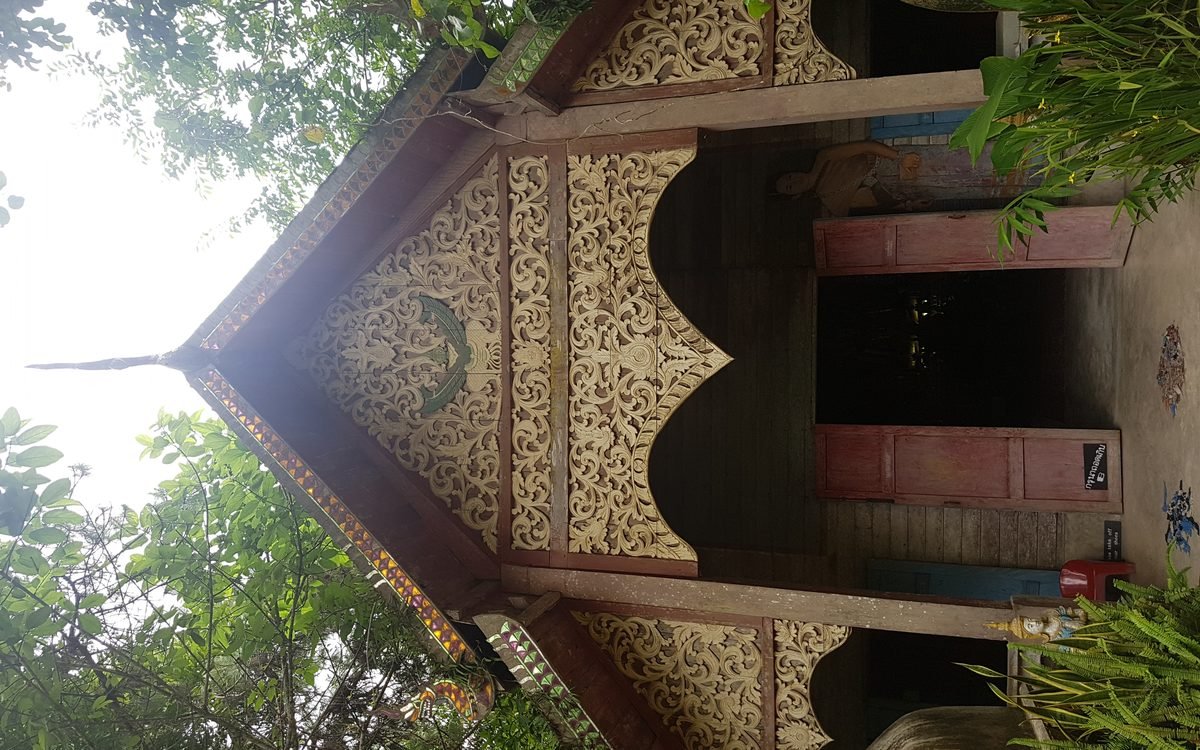
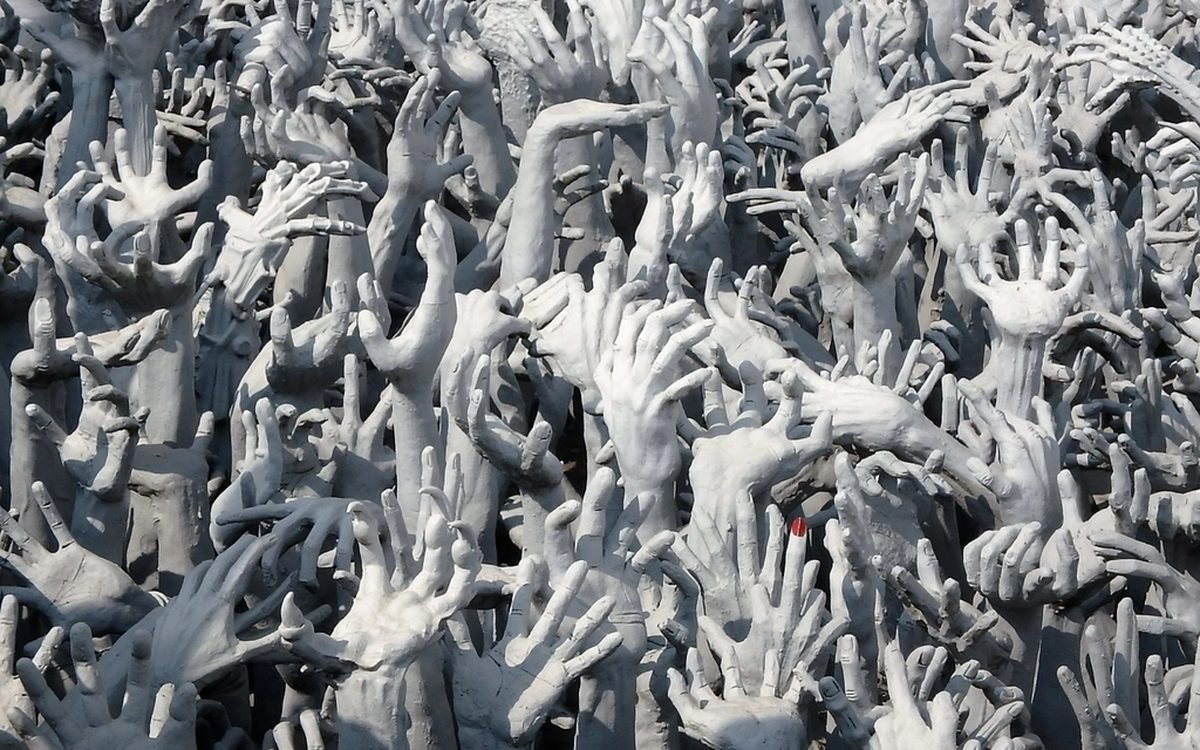
Wat Rong Khun (White Temple), the life's work of artist Chalermchai Kositpipat, is the must-see - go at opening to beat the crowds, cross the bridge over a sea of reaching hands and look out for the surprising pop-culture murals inside. Pair it with the shimmering Wat Rong Suea Ten (Blue Temple), with its glowing white Buddha, which is free to enter. The eerie Baan Dam (Black House) by Thawan Duchanee is a sprawling complex of dark teak halls, horns and bones. Dress modestly for the temples, covering shoulders and knees, and allow a full day if you visit all three at a relaxed pace.
North of town, the Golden Triangle at Sop Ruak looks across the Mekong to Laos and Myanmar, and the excellent Hall of Opium museum tells the region's complicated history. Nearby, the ancient walled town of Chiang Saen has crumbling temple ruins. Up in the hills, the Doi Tung royal villa and Mae Fah Luang Garden are beautifully kept, while Doi Mae Salong offers oolong tea tastings and Yunnanese food. Closer to town, Choui Fong tea plantation and cycling through Singha Park make easy half-days. If you visit hill-tribe villages, choose community-run tours that share income fairly.
Chiang Rai's Night Bazaar and the Saturday Walking Street on Thanalai Road are the social hubs, with food courts, live music, handicrafts and northern Thai dishes like khao soi, the spicy sausage sai oua and khanom jeen nam ngiao noodle soup. On Sundays a second walking street sets up at San Khong Noi. Watch the gilded clock tower light up with its short music-and-colour show in the evening, then join locals for grilled meat and sticky rice at the market stalls. Coffee lovers will find excellent local beans from the surrounding hills in the many cafes around town.
The best months are November to February, when days are sunny and dry and nights can be genuinely cool, especially in the hills - bring a light jacket for early starts at Doi Mae Salong. From March to April the far north suffers from smoky haze caused by agricultural burning, which can badly affect air quality and views, so check pollution levels before you travel. The rainy season from May to October turns the rice fields and tea terraces vividly green and brings fewer visitors, though afternoon downpours and muddy mountain roads call for flexible plans. Around Loi Krathong in November, floating lanterns and candlelit offerings add a magical atmosphere.
Compare prices from several providers for this place in one click.
All hotels in Chiang Rai →1-2 nights for the art temples and an excursion to the tea fields or the Golden Triangle.
Go deeper with our complete Chiang Rai guides:
Ready to plan?
Build your Thailand route →