The best things to do in Bangkok are the Grand Palace, Wat Pho and Wat Arun in the old town, a ride on the Chao Phraya river boats, Chatuchak Weekend Market, an evening of street food in Chinatown and a rooftop view at sunset. Three full days covers the highlights comfortably.
Rattanakosin, the royal island on the east bank of the Chao Phraya, holds most of Bangkok's headline sights within a 20-minute walk of each other. Start early: by 10:00 the tour coaches have arrived and the heat is building.
The former royal residence and the Temple of the Emerald Buddha form the single most visited site in Thailand. Entry is 500 THB (about €13), open daily 8:30-15:30, and the dress code is strictly enforced: covered shoulders, long trousers or skirts, no leggings or ripped jeans. Allow two to three hours. Ignore anyone outside who says it is "closed today"; it almost never is, and the claim is the opening line of a well-known tuk-tuk and gem scam.
Ten minutes south of the palace, Wat Pho houses the 46-metre gilded Reclining Buddha and more than a thousand other Buddha images. Entry is 300 THB, roughly 8:00-18:30. The temple is also the historic home of Thai massage, and the on-site school offers 30- or 60-minute sessions from around 320-600 THB.
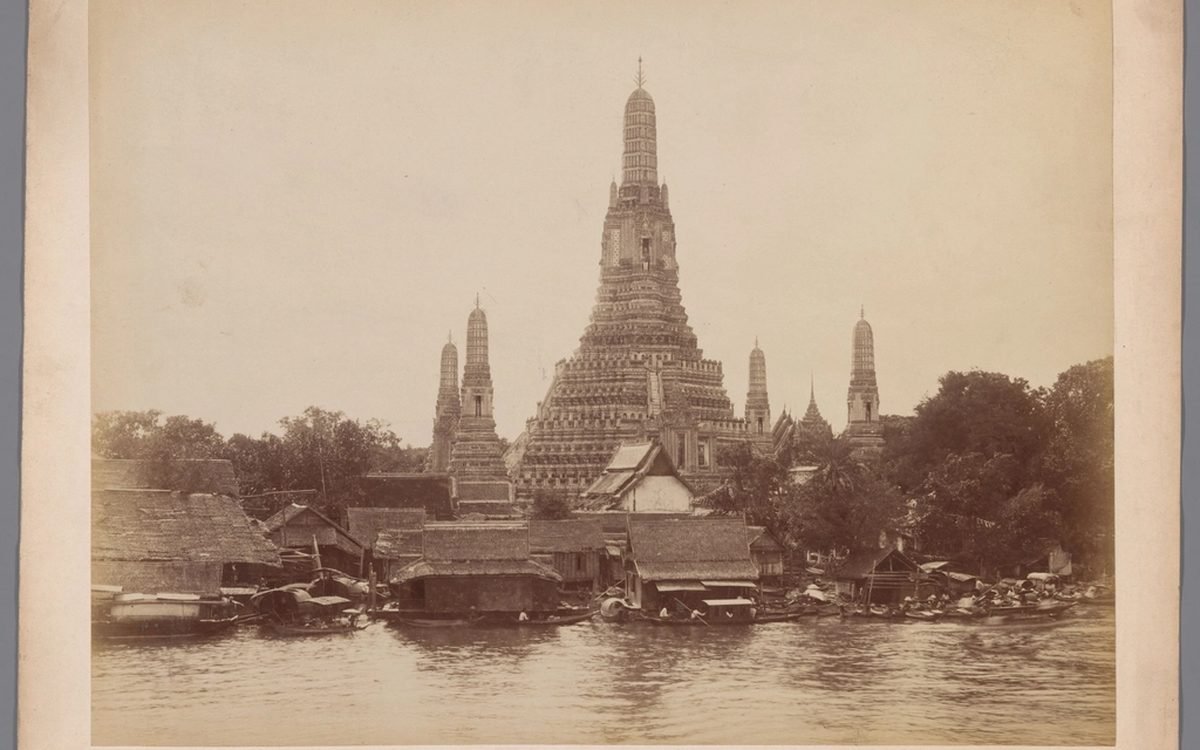
The Temple of Dawn sits across the river from Wat Pho. Take the cross-river ferry from Tha Tien pier (a few baht), pay 200 THB entry and climb the steep lower terraces of the porcelain-studded central prang. It looks best from the east bank at sunset, so visit in the morning and come back for the view later.
A spiral of around 300 steps leads to a golden chedi with one of the best free-standing views of the old city. Entry is 100 THB, open roughly 7:00-19:00. Late afternoon is cooler and the light is softer.
Quieter than the big three, Wat Suthat has superb murals and a vast bronze Buddha, with the red Giant Swing standing in the square outside. Entry is around 100 THB, and the surrounding streets are lined with shops selling monks' robes and temple supplies.
Before you go, read our temple etiquette guide so you know what to wear and how to behave inside.
The river is still the most pleasant way to move between the old town, Chinatown and Sathorn. The orange-flag local boat costs a flat 16 THB and runs roughly 6:00-19:00; the blue-flag tourist boat costs about 30 THB per ride or 150 THB for a day pass, with English commentary. Sathorn pier connects directly to Saphan Taksin BTS station.
West of the river, a network of canals (khlongs) still runs past stilt houses, small temples and waterside gardens. Private long-tail boats leave from Tha Chang and other central piers; expect about 1,500-2,000 THB per boat for an hour, agreed before you board. Morning is the most atmospheric time.
Bangkok's "green lung" is a loop of the river filled with mangroves, orchards and raised concrete bike paths. Take a boat across from Khlong Toei pier, rent a bicycle for around 50-100 THB and spend half a day pedalling through a Bangkok that feels like the countryside. On weekends, Bang Nam Phueng floating market is worth a stop for snacks.
The riverside around ICONSIAM and Asiatique is lively after dark, and a dinner cruise or a drink on a riverside terrace with Wat Arun lit up opposite is a classic Bangkok evening.
With some 15,000 stalls, Chatuchak is one of the largest markets in the world: clothing, ceramics, plants, vintage, art and street food. Open Saturday and Sunday from about 9:00 to 18:00, and best before 11:00, when it is still bearable. Take the MRT to Kamphaeng Phet or the BTS to Mo Chit.
The successor to the much-loved Ratchada train market, Jodd Fairs near MRT Rama 9 opens every evening from late afternoon until around midnight. Go for the food: grilled seafood, the famous volcano pork ribs, mango sticky rice and cold beer.
Open around the clock, Bangkok's wholesale flower market is at its busiest in the early morning and late at night, when garlands of marigold and jasmine are strung by hand. It is a short walk from Wat Pho.
Opposite Chatuchak, this covered fresh market is regularly listed among the best in the world. It is spotless, and the fruit (mangosteen, durian and mango in season), curry pastes and ready meals are superb. Open daily from roughly 6:00 to 18:00.
This riverside corner of Chinatown mixes old shophouses, car-part workshops, street art and the historic So Heng Tai mansion. It is one of the best neighbourhoods in the city for an unhurried morning walk and coffee.
Food is reason enough to visit. For dishes and ordering tips, see our guide to food in Thailand.
From around 17:00, Yaowarat Road fills with stalls selling grilled seafood, rolled rice noodle soup (kuay jap nam sai), pork satay and bird's nest desserts. Most dishes cost 50-150 THB. Arrive hungry, walk the full length and share plates so you can try more.
Bangkok has dozens of Michelin Bib Gourmand stalls and shophouses. The best known are Jay Fai, whose crab omelette costs upwards of 1,000 THB and involves a long wait, and Thip Samai on Maha Chai Road, famous for pad thai wrapped in egg for around 100-150 THB.
A half-day class usually includes a market visit and four or five dishes, from green curry to tom yum, for about 1,200-2,500 THB. It is a useful skill to take home and a good option for a rainy afternoon.
Mall food courts, such as those at Terminal 21 and MBK, sell proper Thai dishes at street prices (often 40-100 THB) in air-conditioned comfort. You pay with a top-up card and get the unused balance back.
At 314 metres, the rooftop of King Power Mahanakhon has a glass floor over the edge of the building. Tickets cost roughly 900-1,100 THB, with sunset slots the most expensive. It is right next to Chong Nonsi BTS station.
Bangkok invented the modern rooftop bar scene. Sky Bar at Lebua is the famous one, with cocktails from around 1,000 THB; Silom and Sukhumvit have many more relaxed options. Smart-casual dress is expected, which usually means no flip-flops, vests or shorts for men.
The teak home of the American silk entrepreneur who disappeared in Malaysia in 1967 is a beautiful collection of traditional Thai houses set in a tropical garden. Entry is 200 THB by guided tour, roughly 10:00-18:00, near National Stadium BTS.
Opposite MBK, BACC hosts free contemporary art exhibitions across several floors, plus small galleries and cafes. It is open roughly 10:00-20:00 and closed on Mondays.
The city's central park is at its best at dawn and around 17:00, when joggers, tai chi groups and large monitor lizards all come out. At 18:00 everyone stops for the national anthem. Entry is free.
Rajadamnern Stadium, in the old town, is the traditional home of Thai boxing, with fights on most evenings. Tickets start at roughly 1,500 THB, with ringside seats considerably more. Buy directly from the stadium rather than through touts.
The former capital of Ayutthaya, about 80 km north, is the easiest and most rewarding day trip: temple ruins, a Buddha head wrapped in tree roots at Wat Mahathat and a relaxed pace. Third-class trains take around 1.5-2 hours for 15-20 THB, or a minivan or Grab gets you there faster. Other options are the Maeklong Railway Market, where a train runs through the stalls several times a day, and Kanchanaburi, home of the Bridge on the River Kwai and Erawan waterfalls, which rewards an overnight stay.
| Sight | Entry (THB) | Typical hours |
|---|---|---|
| Grand Palace and Wat Phra Kaew | 500 | 8:30-15:30 |
| Wat Pho | 300 | 8:00-18:30 |
| Wat Arun | 200 | 8:00-18:00 |
| Golden Mount | 100 | 7:00-19:00 |
| Jim Thompson House | 200 | 10:00-18:00 |
| Mahanakhon SkyWalk | approx. 900-1,100 | 10:00-24:00 |
| BACC, Lumphini Park, Chatuchak | Free | Varies |
Prices change from time to time, so treat these as a guide. A full sightseeing day in the old town, including entries, transport and food, usually comes to 1,200-2,000 THB per person. For a wider budget picture, see our Thailand trip cost guide.
Choosing a base near a BTS or MRT station saves more time than anything else. Our where to stay in Bangkok guide compares the main areas, and Bangkok in 3 days turns this list into a day-by-day plan. You can also compare live hotel prices in Bangkok.
Three days is enough for the main temples, the river, a market and a food-focused evening. Add a fourth day for a day trip to Ayutthaya or the Maeklong Railway Market.
Cover your shoulders and knees: a T-shirt or blouse with sleeves and long trousers or a long skirt. Leggings, ripped jeans and sleeveless tops are refused, and you may be asked to rent or buy a cover-up.
Not by European standards. Street food meals cost 50-150 THB, public transport 17-65 THB a ride and most temples 100-500 THB, so a comfortable mid-range day costs roughly 2,500-4,000 THB including a hotel.
The old town (Rattanakosin) around the Grand Palace and Wat Pho, and Chinatown with neighbouring Talat Noi, are the most walkable areas, especially in the morning or late afternoon.
The main market runs on Saturdays and Sundays, roughly 9:00-18:00. Some sections, including the plant market, open on other days, but the full experience is a weekend one.