Home › Destinations › Phetchaburi
Gulf Coast
Phetchaburi
An old royal town of hilltop palaces, Ayutthaya-era temples and famous desserts, right on the road from Bangkok to Hua Hin.
📅 1–2 nightsCultureAuthenticFoodNature
An old royal town of hilltop palaces, Ayutthaya-era temples and famous desserts, right on the road from Bangkok to Hua Hin.
Why Phetchaburi? An old royal town of hilltop palaces, Ayutthaya-era temples and famous desserts, right on the road from Bangkok to Hua Hin.
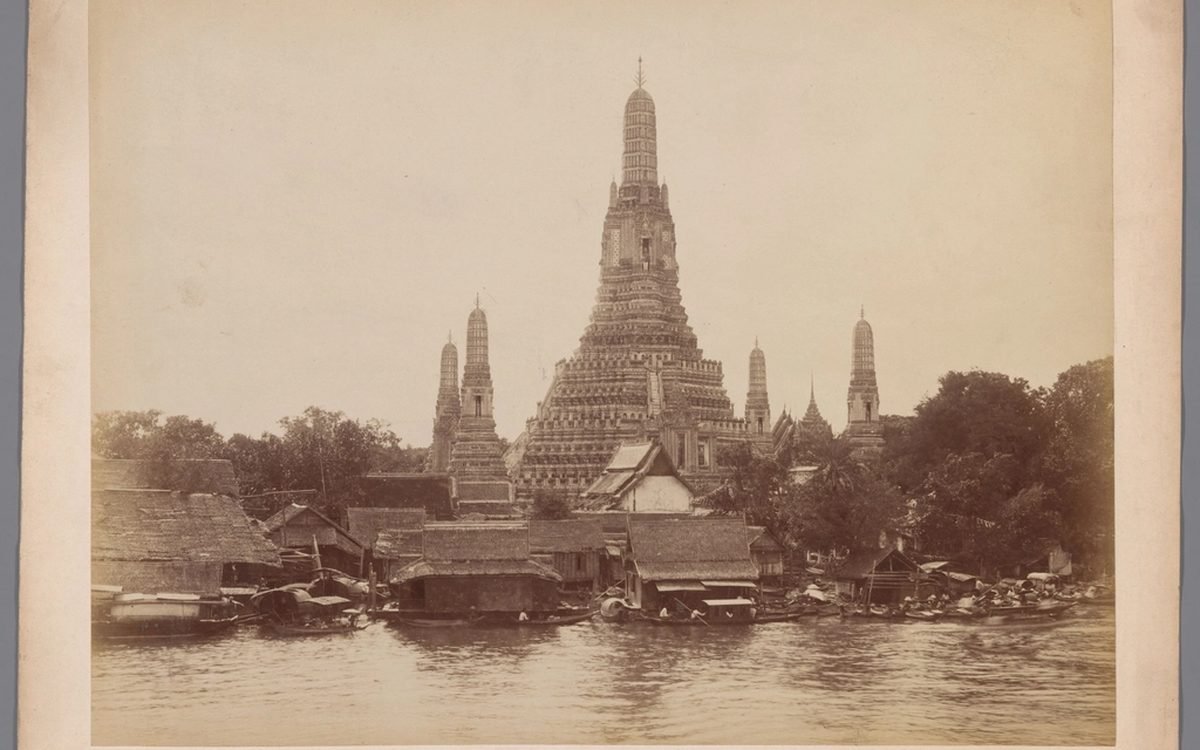
Phetchaburi is one of Thailand's oldest towns and a favourite retreat of 19th-century kings, yet most travellers speed past it on the way to Hua Hin. Those who stop find a hilltop palace, a cave full of Buddha images lit by the sun, Ayutthaya-era temples and an old town where wooden shophouses still line the river. It is also famous across Thailand for its desserts and palm sugar.
It suits history lovers, food lovers and slow travellers looking for everyday Thai life without the crowds. One night covers the town's main sights; two lets you add Kaeng Krachan National Park or a lazy afternoon on the beach at Cha-am.
🌴 Phetchaburi in your trip?
Add it in the trip planner →For each activity you get up-to-date availability and prices — so you book ahead at the best rate.
Phetchaburi lies about 2-2.5 hours by road south-west of Bangkok, and roughly 1 hour north of Hua Hin, making it an easy stop between the two. Minivans and buses leave from Bangkok's Southern Bus Terminal, and trains on the southern line take around 3 hours and stop at Phetchaburi Railway Station just north of the centre. The old town is compact enough to walk, and samlors (cycle rickshaws), motorbike taxis and songthaews cover the short hops to Khao Wang and Khao Luang Cave. For Kaeng Krachan you will want a private car or a tour.
The town's symbol is Phra Nakhon Khiri, King Mongkut's palace complex spread across the summits of Khao Wang hill, reached by a steep path or a short cable car. Wild macaques live on the hill, so keep bags closed and food hidden. Just outside town, Khao Luang Cave is a vast cavern filled with Buddha statues, at its most magical around midday when sunlight pours through holes in the roof. Back in the centre, Wat Mahathat Worawihan and the murals of Wat Yai Suwannaram reward a slow wander.
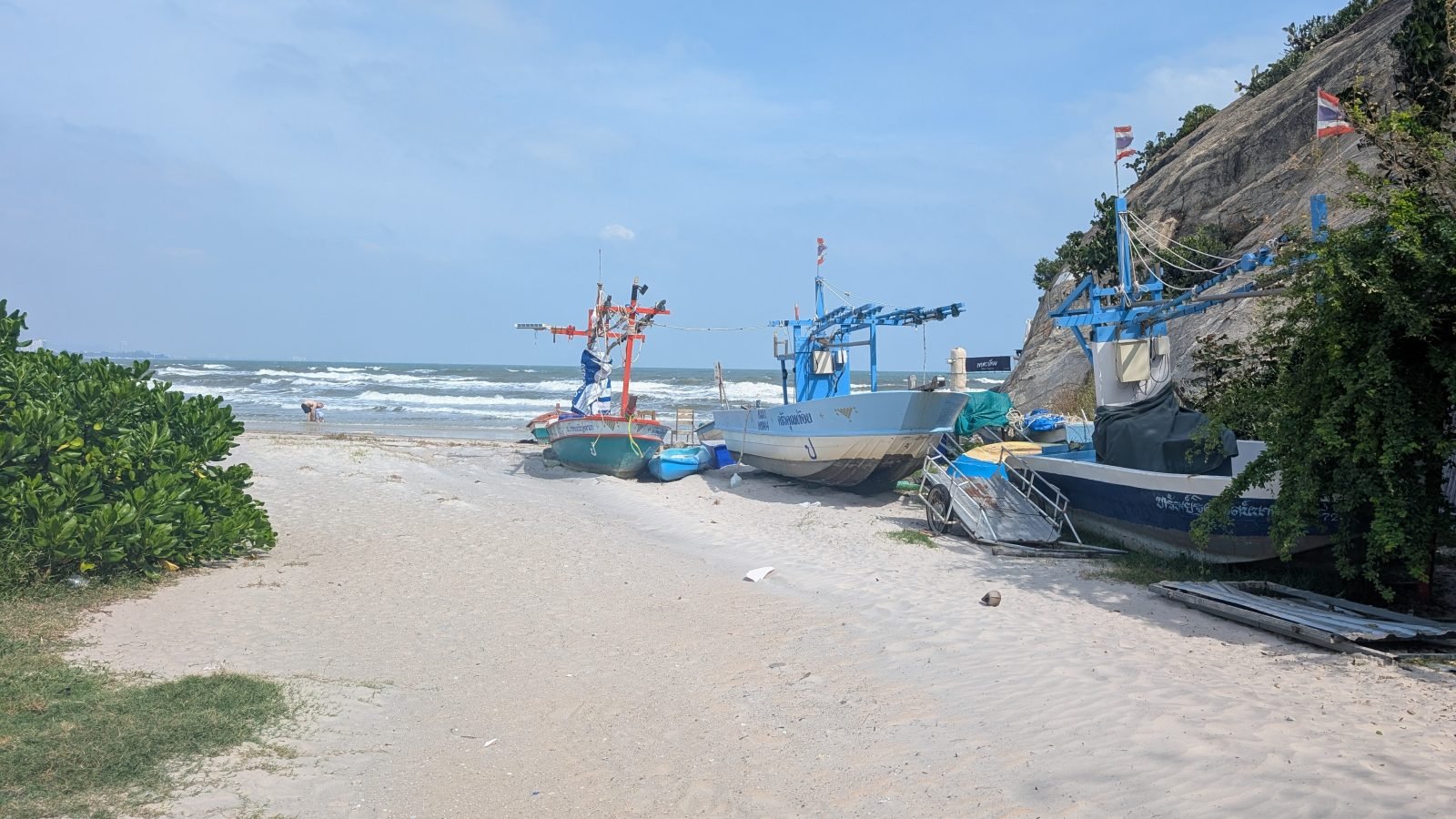
West of town, Kaeng Krachan National Park is Thailand's largest national park and part of a UNESCO World Heritage forest complex, home to gibbons, hornbills and huge numbers of butterflies. The famous sunrise viewpoint at Phanoen Thung, above a sea of mist, is usually closed during the rainy season from about August to October. To the east, the coast road passes glittering salt fields at Ban Laem and the mangroves of Laem Phak Bia, a well-known birdwatching spot, before reaching the seaside resort of Cha-am.
Phetchaburi's sweet tooth is legendary. Try khanom mo kaeng, a rich baked custard, and anything made with local palm sugar, sold in dessert shops all over town and along the highway. Savoury specialities include khao chae, rice in chilled jasmine-scented water with side dishes, a royal recipe popular in the hot season. Evenings are quiet: a stroll through the old town, dinner at a riverside restaurant or noodle shop, and an early night before a morning at the palace or the park.
The best time to visit is November to February, when the weather is dry and relatively cool, ideal for climbing Khao Wang and exploring Kaeng Krachan. March to May is very hot, so do your sightseeing early and save the afternoons for rest. The rainy season brings green landscapes but can close parts of Kaeng Krachan, including the upper road and Phanoen Thung viewpoint. Thai holidays bring day-trippers to Khao Wang and Cha-am, while weekdays in town are pleasantly calm and hotel prices stay low all year.
Compare prices from several providers for this place in one click.
All hotels in Phetchaburi →1-2 nights to see the hilltop palace, Khao Luang Cave and the old temples, plus a taste of Kaeng Krachan.
Ready to plan?
Build your Thailand route →