Home › Destinations › Chanthaburi
Eastern Thailand
Chanthaburi
A gem-trading riverside town with a French-Gothic cathedral, historic shophouses and some of Thailand's best tropical fruit.
📅 1–2 nightsCultureAuthenticFoodShopping
A gem-trading riverside town with a French-Gothic cathedral, historic shophouses and some of Thailand's best tropical fruit.
Why Chanthaburi? A gem-trading riverside town with a French-Gothic cathedral, historic shophouses and some of Thailand's best tropical fruit.
Chanthaburi is one of eastern Thailand's most characterful towns: a riverside trading centre shaped by Chinese, Vietnamese and French influences, famous for its gem market, its grand cathedral and the fruit orchards that surround it. Few foreign tourists stop here, which makes it a rewarding, authentic break on the way between Bangkok, Koh Samet and Koh Chang.
It suits food lovers, culture seekers and road trippers. One or two nights is enough to explore the old waterfront, visit the weekend gem market and eat your way through the local specialities - longer if you come during fruit season.
🌴 Chanthaburi in your trip?
Add it in the trip planner →For each activity you get up-to-date availability and prices — so you book ahead at the best rate.
There is no train or commercial airport, so most people arrive by road. Buses and minivans leave Bangkok's Ekkamai and Mo Chit terminals regularly and take about 4-5 hours; from Rayong or Trat it is roughly 1.5-2 hours. The old town and waterfront are compact and best explored on foot. For the cathedral, gem market and riverside, walking is ideal; for waterfalls, temples and beaches outside town, hire a car or scooter, or use local songthaews and taxis. Chanthaburi also makes an easy stopover when driving on to the Koh Chang ferry piers in Trat.
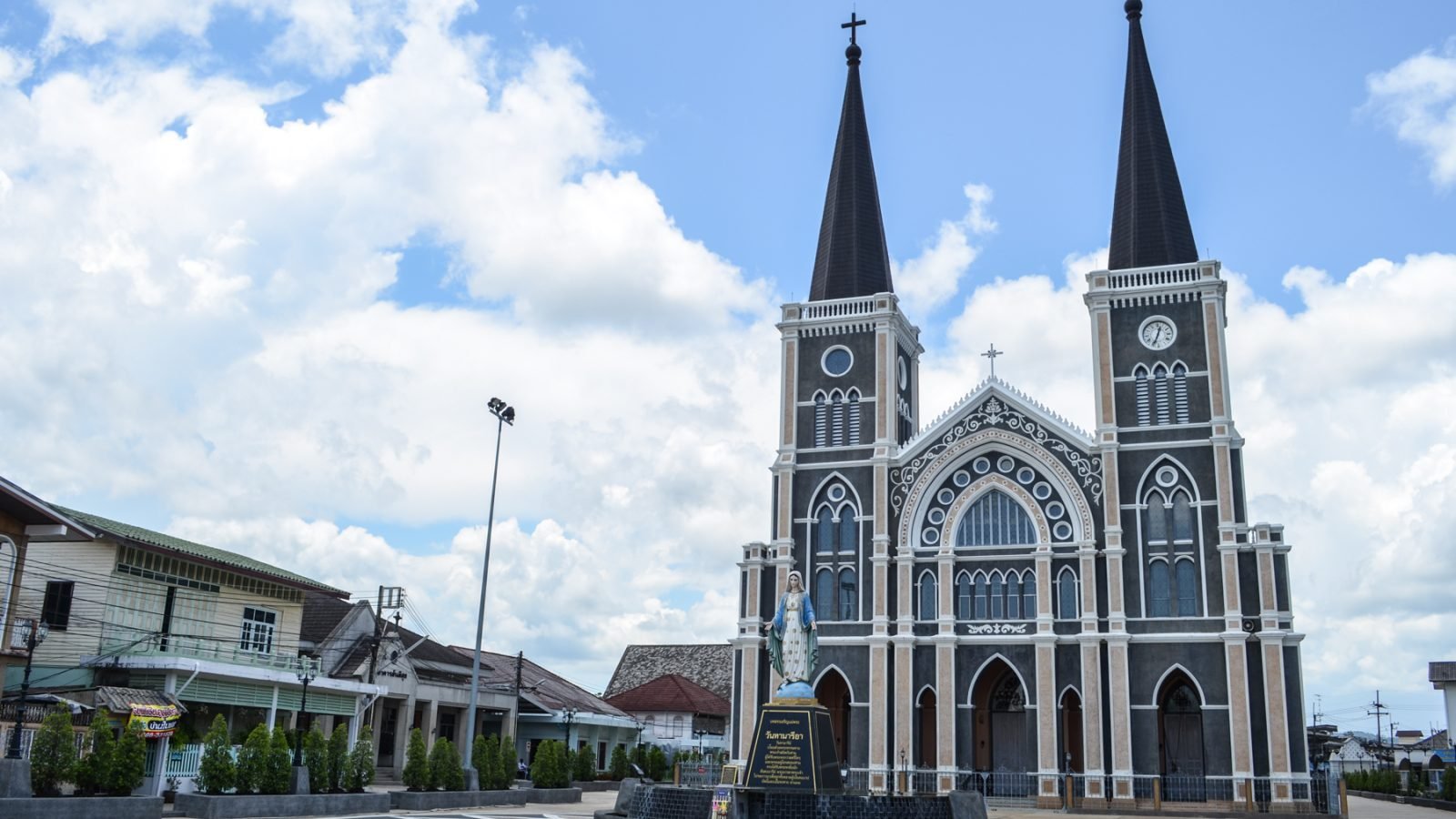
The heart of the town is the Chanthaboon Waterfront Community, a kilometre-long lane of wooden shophouses along the Chanthaburi River, many with carved European-style details. Several now house small museums, cafés and guesthouses. Across the river stands the Cathedral of the Immaculate Conception, the largest Catholic church in Thailand, built by the Vietnamese-Catholic community in French-Gothic style. Nearby, the King Taksin Shrine commemorates the king who gathered his forces here before driving out the Burmese in the 18th century.
On Friday to Sunday the streets around Trok Kachang and Si Chan Road become the Gem Market, where dealers inspect sapphires and rubies through loupes at rows of tables. It is fascinating to watch, but only buy from reputable shops if you are not an expert. Chanthaburi is also Thailand's fruit basket, and from roughly May to June orchards offer durian, mangosteen and rambutan buffets. Try the famous sen chan noodles, often stir-fried with crab, and moo chamuang, a tangy local pork curry.
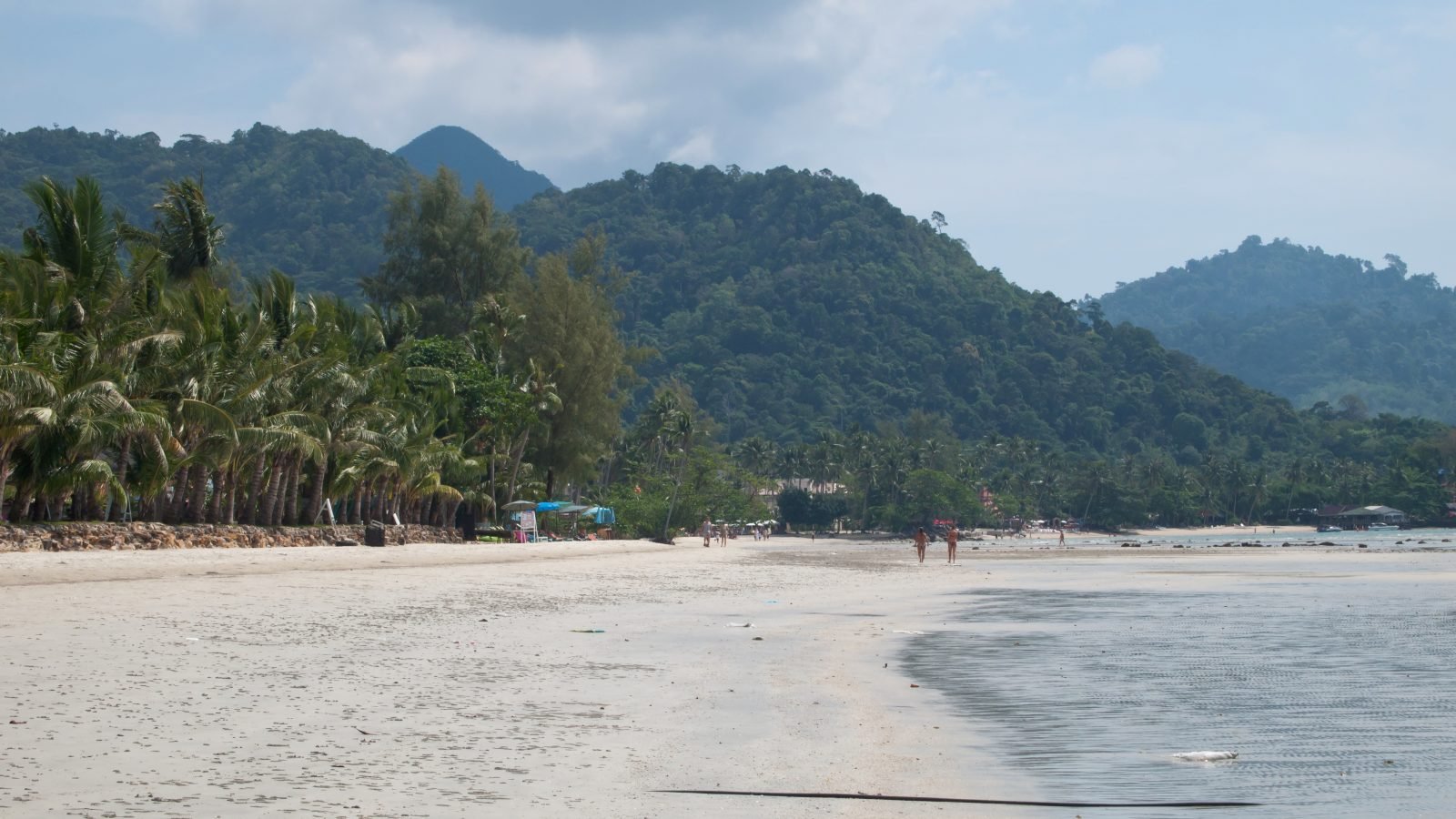
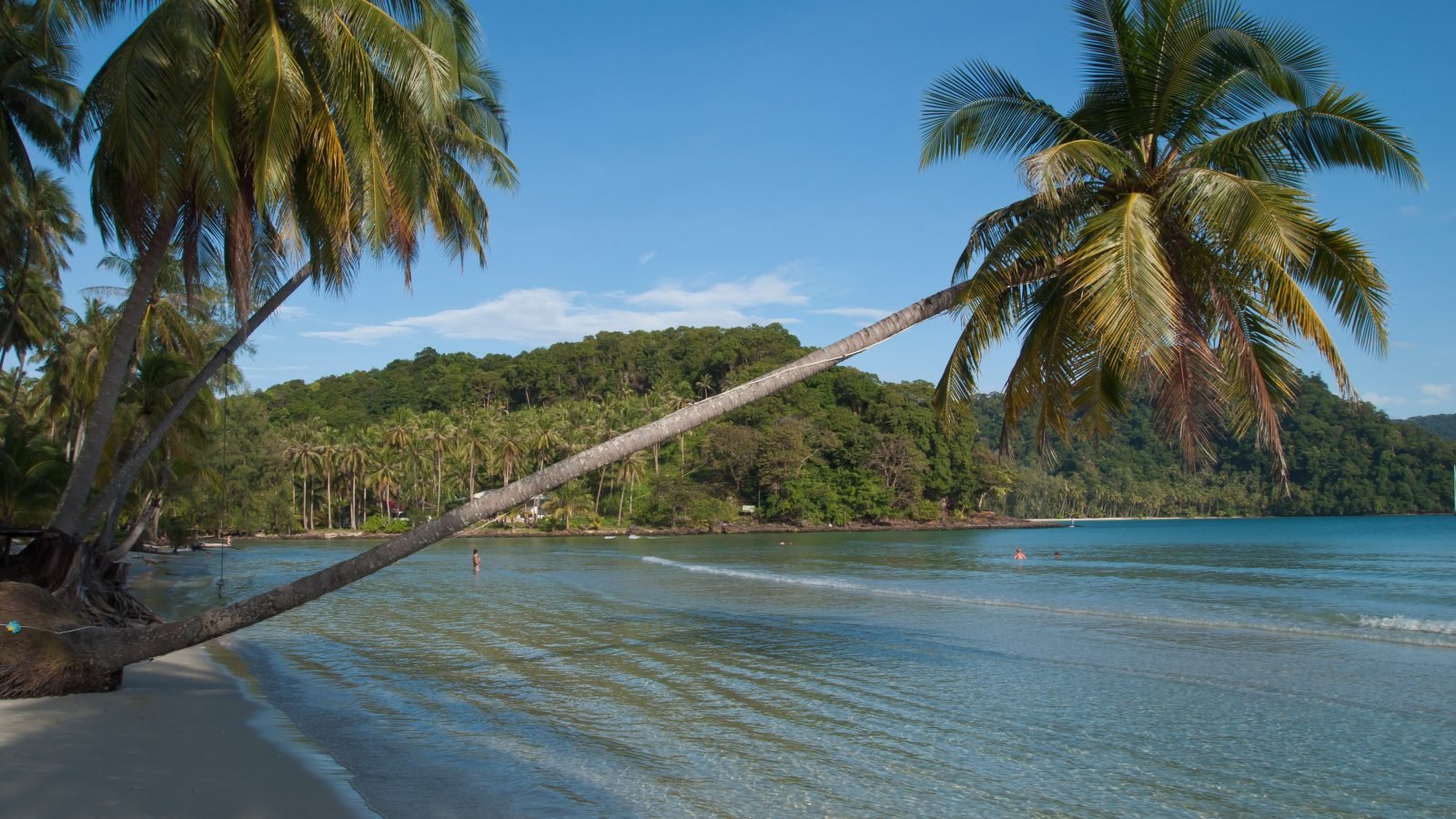
Outside town, Wat Khao Sukim sits on a hillside reached by a funicular and houses a huge collection of donated ceramics and antiques. Namtok Phlio National Park has an easy trail to a waterfall whose pool teems with large carp, while Khao Khitchakut draws Thai pilgrims to its summit footprint and balancing boulder, typically from about January to March. The coastal road passes quiet beaches such as Chao Lao, the fishing town of Laem Sing and mangrove boardwalks at Kung Krabaen Bay.
Stay near the river to walk everywhere: small guesthouses and boutique hotels in restored shophouses along the Chanthaboon Waterfront give the best atmosphere, while larger business hotels sit in the newer part of town. Come on a weekend if you want to see the gem market in full swing, as it is much quieter midweek. The cool, dry months from November to February are the most comfortable for sightseeing, but many visitors time their trip for the fruit harvest from about May to June, when the town holds its lively annual fruit festival. Heavy rain is common from July to October.
Compare prices from several providers for this place in one click.
All hotels in Chanthaburi →1-2 nights to wander the waterfront, browse the gem market and taste the local fruit and noodles.
Ready to plan?
Build your Thailand route →