Home › Destinations › Koh Chang
Eastern Thailand
Koh Chang
Thailand's third-largest island, with jungle-clad mountains, waterfalls and a west coast lined with easy-going beaches.
📅 3–5 nightsBeachNatureAdventureSnorkeling
Thailand's third-largest island, with jungle-clad mountains, waterfalls and a west coast lined with easy-going beaches.
Why Koh Chang? Thailand's third-largest island, with jungle-clad mountains, waterfalls and a west coast lined with easy-going beaches.
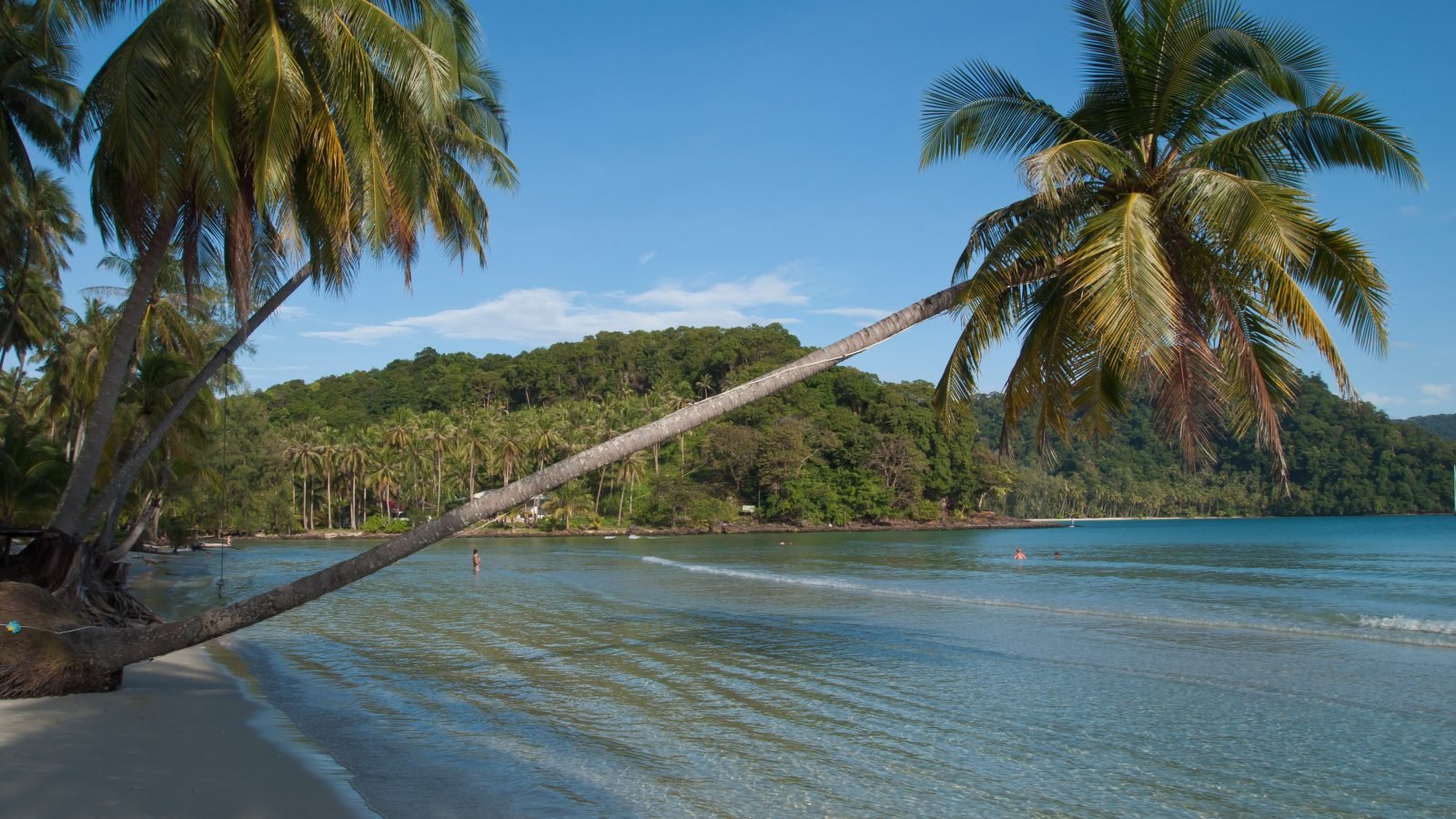
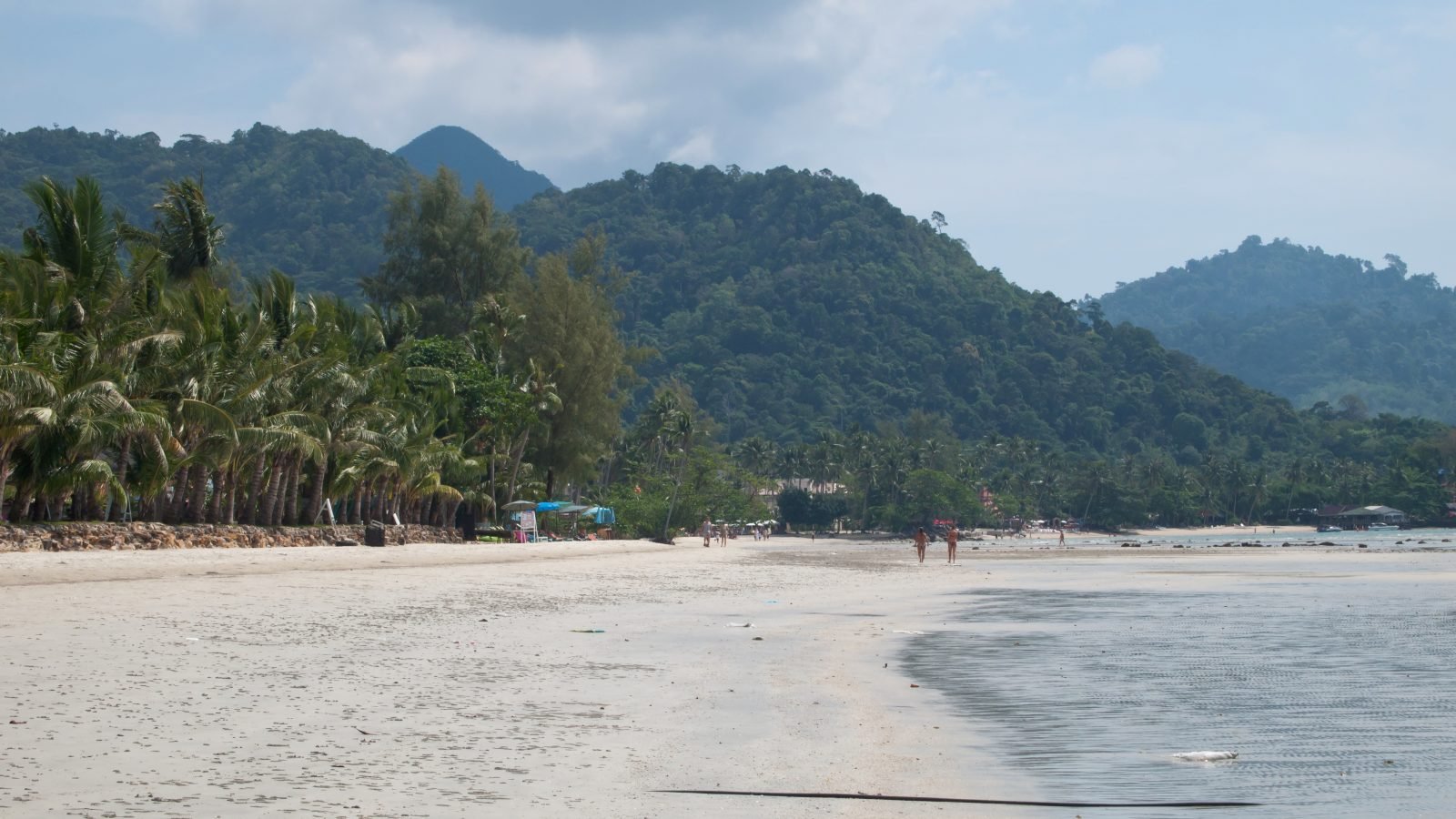
Koh Chang, the 'elephant island', is a big, mountainous island near the Cambodian border, most of it protected as Mu Ko Chang National Park. A thick jungle spine full of waterfalls drops to a west coast of long beaches, while the east and south keep a quieter world of fishing villages and mangroves. It suits families, nature lovers and travellers who want variety without the crowds of Phuket or Samui.
Plan three to five nights: enough to try a couple of beaches, swim under a waterfall, take a snorkelling trip to the southern islands and slow down in Bang Bao.
🌴 Koh Chang in your trip?
Add it in the trip planner →For each activity you get up-to-date availability and prices — so you book ahead at the best rate.
From Bangkok, buses and minivans take about 5-6 hours to the ferry piers at Laem Ngop in Trat province, including the crossing. Car ferries from Ao Thammachat and Centrepoint piers take roughly 30-45 minutes. The fastest option is a Bangkok Airways flight to Trat Airport (about 1 hour), then a 30-40 minute transfer to the pier. On the island, shared songthaews run along the west coast road. Scooters are widely rented, but the hills between Klong Prao and Kai Bae are steep and winding, so only ride if you are experienced.
Almost all accommodation sits on the west coast. White Sand Beach in the north is the busiest, with the most restaurants, shops and nightlife. Klong Prao is wide and relaxed, a favourite for families and upmarket resorts, while Kai Bae has shallow water and views of little offshore islets. Further south, Lonely Beach is the backpacker party spot, and Bailan and the Bang Bao area feel calmer and more local. For real seclusion, head to Long Beach on the far south-east tip. Note that some west-coast beaches have strong rip currents in the rainy season, so watch for warning flags and swim where others do.
The interior is steep rainforest, best explored with a guide. Klong Plu Waterfall, behind Klong Prao, is the most popular, with a deep pool for swimming, while Than Mayom on the east coast is known for rock inscriptions from royal visits by King Rama V and later kings. National park fees apply at the main falls. On the quiet east side, the Salak Khok mangrove bay offers kayaking along a community-run route, and nearby Salak Phet is a stilted fishing village with a slow, authentic feel.
Koh Chang is the gateway to a whole archipelago. Speedboat and wooden boat trips from Bang Bao head to Koh Rang Marine Park for the region's clearest water, often combining it with Koh Wai and Koh Mak. Dive centres run trips to shallow reefs and pinnacles suited to beginners. Back on land, the stilted pier at Bang Bao is lined with seafood restaurants where you pick crab, prawns or fish by weight, and White Sand Beach has the widest choice of Thai and international food after dark.
The best time to visit is from November to April, when the seas are calm, skies are clear and island-hopping boats run daily. Koh Chang is among the wettest places in Thailand in the south-west monsoon, roughly May to October, when heavy rain, rough seas and strong currents can close some boat trips and make swimming risky on west-coast beaches. The upside is lush forest, roaring waterfalls and much lower prices. Avoid elephant camps offering rides - watch wildlife in the national park instead.
Compare prices from several providers for this place in one click.
All hotels in Koh Chang →3-5 nights to explore the waterfalls and beaches, snorkel the southern islands and slow down in Bang Bao.
Ready to plan?
Build your Thailand route →