Seeing elephants is on almost every Thailand wish-list, but how you do it matters. The best experiences today are at ethical sanctuaries where rescued elephants roam free and you simply feed, bathe and observe them — no riding, no circus tricks. Here are the destinations where you'll find them, and how to fit a visit into your route.
How to choose an ethical sanctuary
Look for parks that describe themselves as no-riding and welfare-focused, keep group sizes small, and let elephants behave naturally rather than perform. Half-day visits (feeding and mud-bath) are gentler on the animals than long trekking programmes. Book ahead — the good ones sell out.
Best destinations
Top experiences
Chiang Mai
- Ethical elephant sanctuary — Feed, walk and bathe rescued elephants in the hills - welfare-first parks, absolutely no riding.
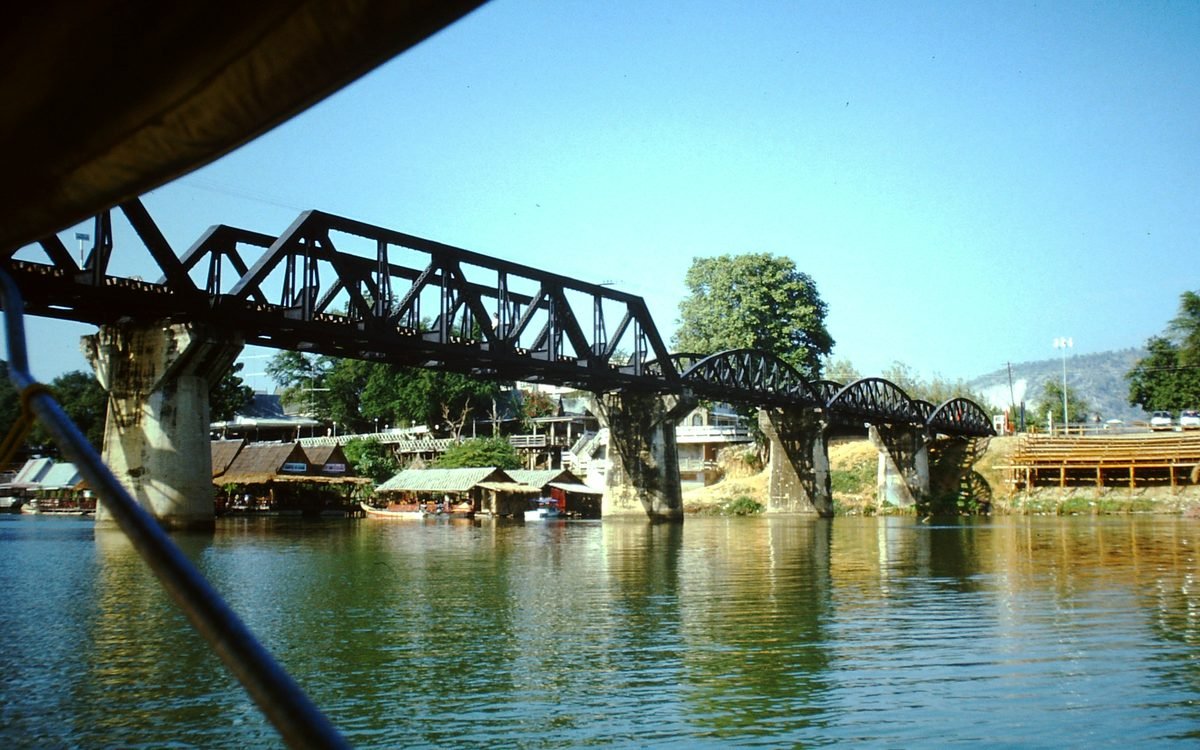
Kanchanaburi
- Bathe & feed elephants (ethical) — Wash, feed and walk alongside rescued elephants at a no-riding sanctuary - the highlight for many.
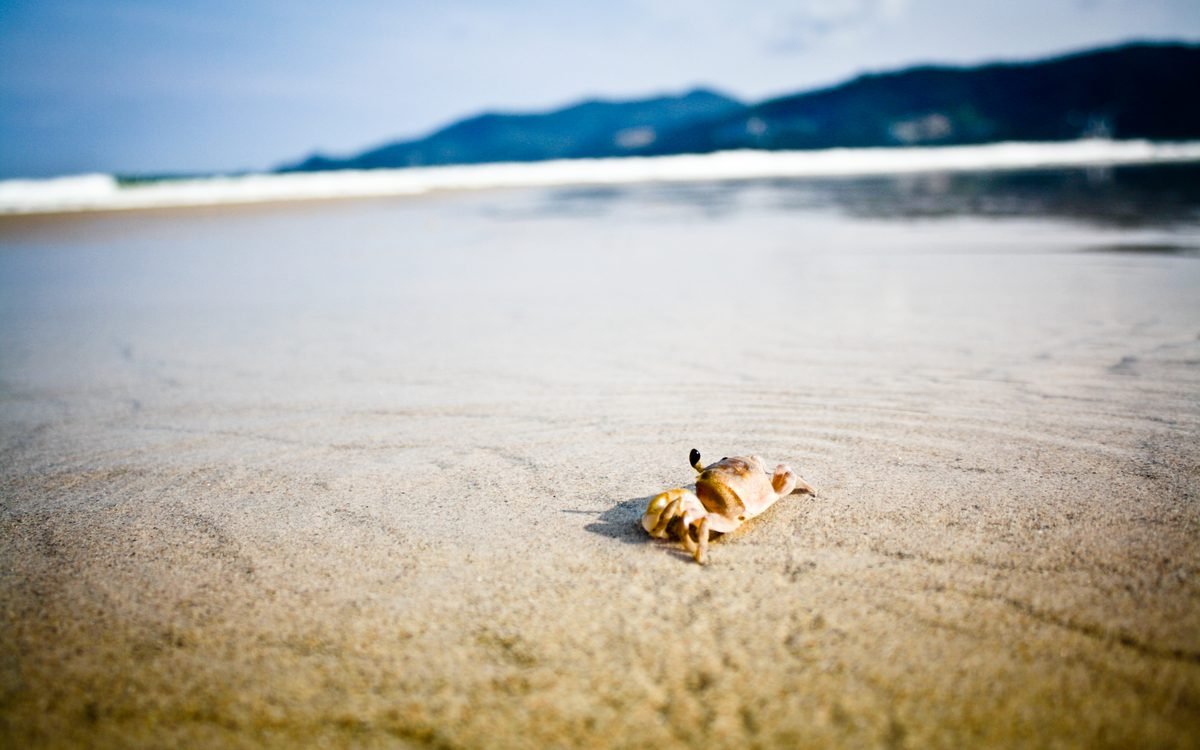
Phuket
- Ethical elephant sanctuary — Observe and feed rescued elephants roaming free at Phuket's welfare park - no riding.
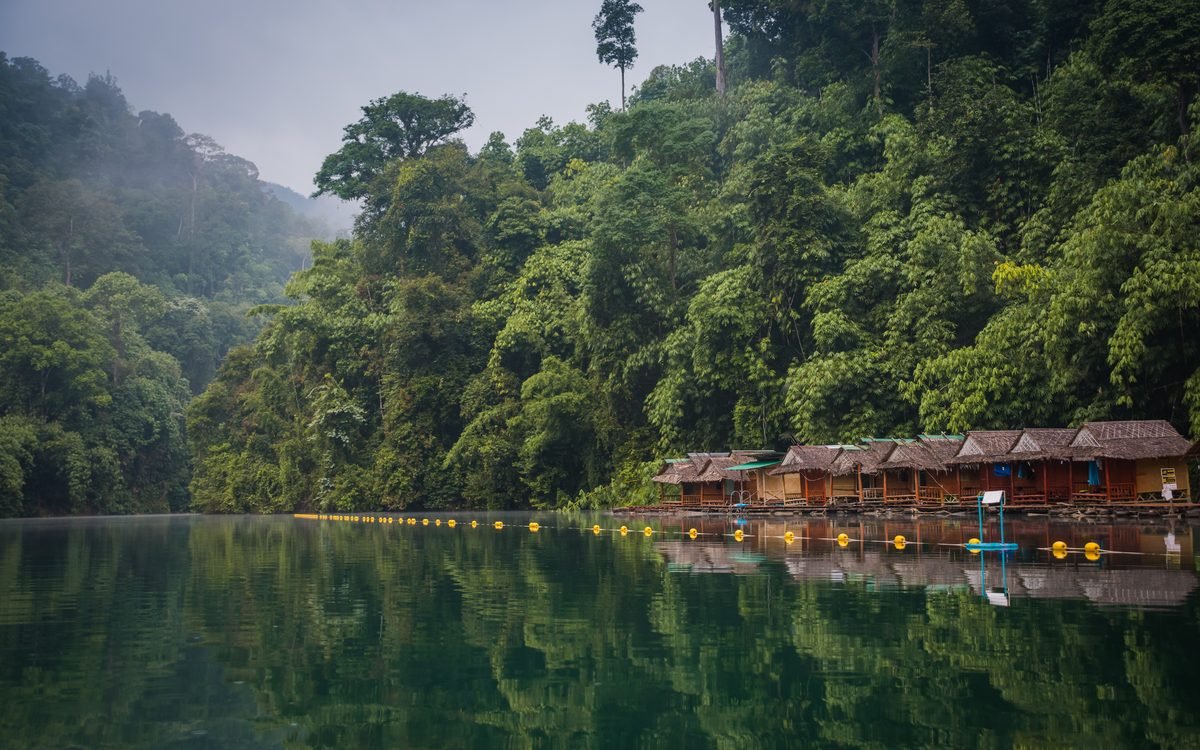
Khao Sok
- Ethical elephant experience — Feed and walk with rescued elephants at a welfare camp near the park (no riding).
Ayutthaya
- Ethical elephant feeding — Meet and feed rescued elephants at a welfare-focused kraal (no riding).
Frequently asked questions
Which part of Thailand is best for ethical elephant experiences?
Chiang Mai in the north has the largest concentration of welfare-first sanctuaries, but you'll also find excellent no-riding parks near Kanchanaburi, Phuket and Khao Sok.
Can you ride elephants in Thailand?
You can, but responsible travellers no longer do — riding and shows are harmful. Ethical sanctuaries only offer feeding, bathing and walking alongside the elephants.
How much does an ethical elephant sanctuary cost?
A half-day visit typically runs around 1,500–2,500 THB including transfers and lunch; full-day and small-group programmes cost more.
Explore more