Home › Destinations › Mae Sot
Western Thailand
Mae Sot
A multicultural border town on the Moei River, where Burmese tea shops, golden stupas and mountain waterfalls meet.
📅 1–2 nightsAuthenticCultureFoodAdventure
A multicultural border town on the Moei River, where Burmese tea shops, golden stupas and mountain waterfalls meet.
Why Mae Sot? A multicultural border town on the Moei River, where Burmese tea shops, golden stupas and mountain waterfalls meet.
Mae Sot is a busy, multicultural frontier town in Tak province, facing Myanmar across the Moei River. Thai, Burmese, Karen, Muslim and Chinese communities live side by side, and the streets are full of golden Burmese-style stupas, tea shops and markets selling mohinga and samosas. It is not a classic tourist destination, which is exactly its appeal for curious travellers.
Spend one or two nights exploring the temples and food, or use Mae Sot as the gateway to Umphang and the mighty Thi Lo Su Waterfall, which needs several extra days.
🌴 Mae Sot in your trip?
Add it in the trip planner →For each activity you get up-to-date availability and prices — so you book ahead at the best rate.
Mae Sot Airport has flights from Bangkok's Don Mueang of about an hour, though schedules are limited, so check current routes. Long-distance buses from Bangkok's Mo Chit terminal take roughly 7-8 hours, and there are connections from Chiang Mai, Sukhothai and Tak, with the last stretch over the mountains on Highway 12. In town, the centre is walkable, and songthaews, motorbike taxis and rented scooters cover the rest. For Umphang, shared songthaews take around 4-5 hours, or join an organised tour.
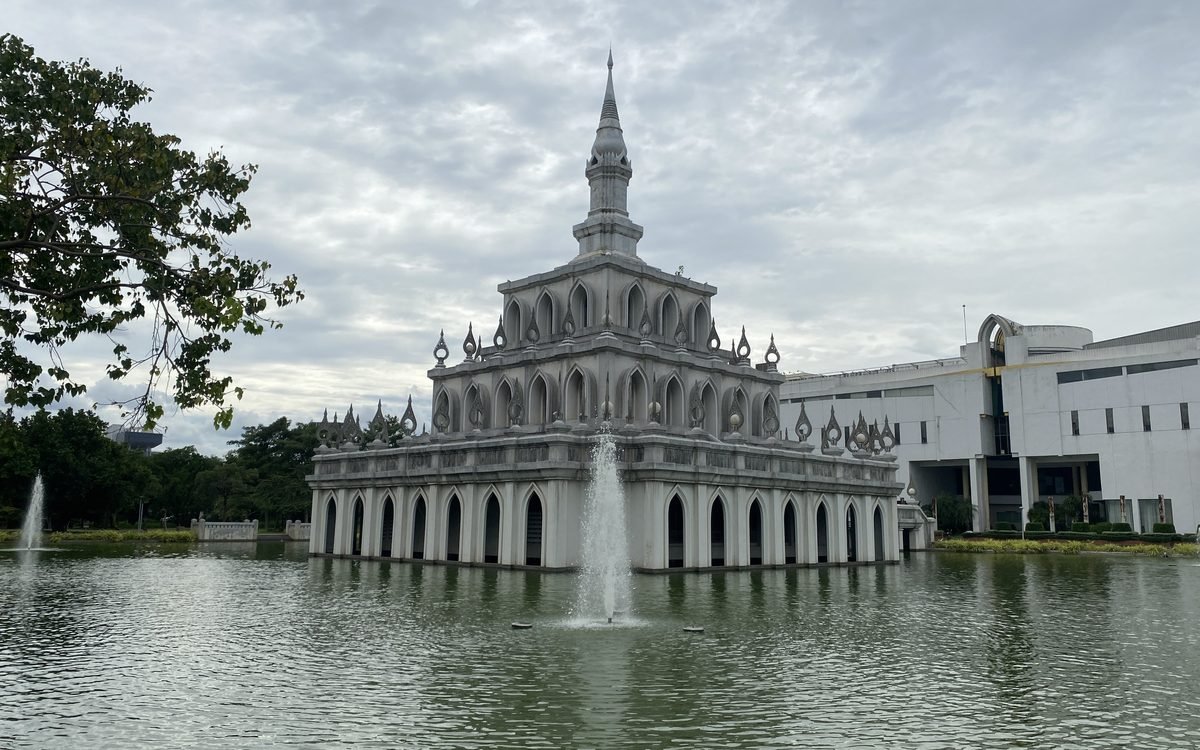
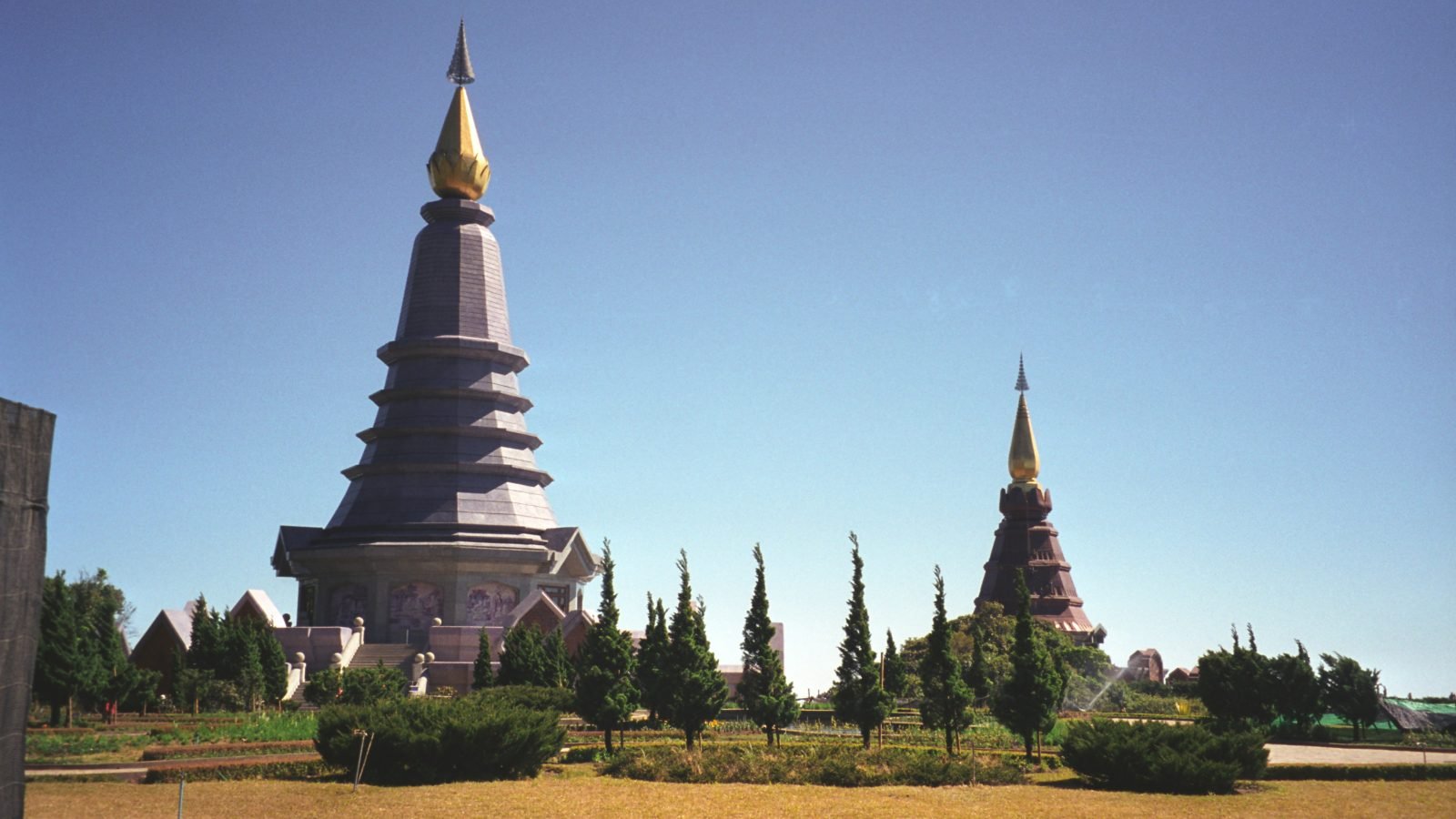
The Burmese influence is everywhere. Wat Chumphon Khiri has a glittering golden chedi in classic Myanmar style, and Wat Thai Wattanaram, a few kilometres west, houses a huge reclining Buddha and Burmese-style halls. At the river, the Rim Moei market near the Friendship Bridge sells gems, textiles and Burmese goods. Because of ongoing instability in Myanmar, crossing the border to Myawaddy is not advised; check current government travel advice before visiting the border area. Mae Sot is also home to many aid organisations working with refugees and migrants, which gives the town an unusually international feel for its size.
Mae Sot is one of the best places in Thailand to eat Burmese food. Head to the morning market for mohinga, the fragrant fish-broth noodle soup, alongside samosas, flaky roti and lahpet, the tangy fermented tea-leaf salad. Burmese tea shops serve sweet, milky tea and snacks from early morning, and Muslim restaurants cook biryani and curries. On the road towards Tak, the Doi Muser hill-tribe market sells highland fruit and vegetables from the Hmong and Lahu communities. In the evening, the small night market near the town centre is a good place to graze on grilled skewers and sweets.
South of Mae Sot, a mountain road of well over a thousand bends leads to the small town of Umphang, the base for visiting Thi Lo Su Waterfall, widely considered Thailand's largest. The classic trip combines rafting on the Mae Klong River with jungle trekking and simple camping, typically over two to four days. Along the way, Pha Charoen Waterfall is a lovely stop. Access to Thi Lo Su is restricted in the rainy season, so organise trips through a licensed local operator.
The most pleasant months are November to February, when the air is cool and dry and the mountain roads are clear. March to May is hot and can be hazy from seasonal burning. The rainy season runs from about June to October, when waterfalls are at their most dramatic but roads to Umphang can be slow and the Thi Lo Su trail and campsite are usually closed to vehicles. Mae Sot itself is interesting year-round, and a night or two in town combines well with Sukhothai, around three hours away by road.
Compare prices from several providers for this place in one click.
All hotels in Mae Sot →1-2 nights to explore the markets and Burmese-style temples, or as a base for the road to Umphang.
Ready to plan?
Build your Thailand route →