Home › Destinations › Sangkhlaburi
West-Central Thailand
Sangkhlaburi
A remote lakeside town near the Myanmar border, famous for its long wooden Mon Bridge and a temple half-drowned by the reservoir.
📅 1–2 nightsAuthenticCultureNatureQuiet
A remote lakeside town near the Myanmar border, famous for its long wooden Mon Bridge and a temple half-drowned by the reservoir.
Why Sangkhlaburi? A remote lakeside town near the Myanmar border, famous for its long wooden Mon Bridge and a temple half-drowned by the reservoir.
Sangkhlaburi is a small, peaceful town at the northern end of Kanchanaburi province, set on the shores of a huge reservoir close to the Myanmar border. It is home to a large Mon community, and its long wooden bridge, a temple half-submerged in the lake and misty mornings on the water make it one of Thailand's most atmospheric hidden corners.
It suits slow travellers, photographers and anyone interested in border cultures. One or two nights is right: arrive in the afternoon, walk the bridge at sunset, then rise early for the morning alms and a boat trip on the lake.
🌴 Sangkhlaburi in your trip?
Add it in the trip planner →For each activity you get up-to-date availability and prices — so you book ahead at the best rate.
Sangkhlaburi lies about 220 km north-west of Kanchanaburi town, a scenic 3.5-4 hour drive by minivan or bus along the reservoir; direct buses from Bangkok's Mo Chit terminal take around 6-7 hours. Most travellers combine it with Kanchanaburi and the Erawan area. The town is compact and easy to walk, and guesthouses rent bicycles and scooters. For the sunken temple, hire a longtail boat from the lakeside, and use a scooter or a driver for waterfalls and Three Pagodas Pass. There are few ATMs beyond town, so carry some cash for boats and markets.
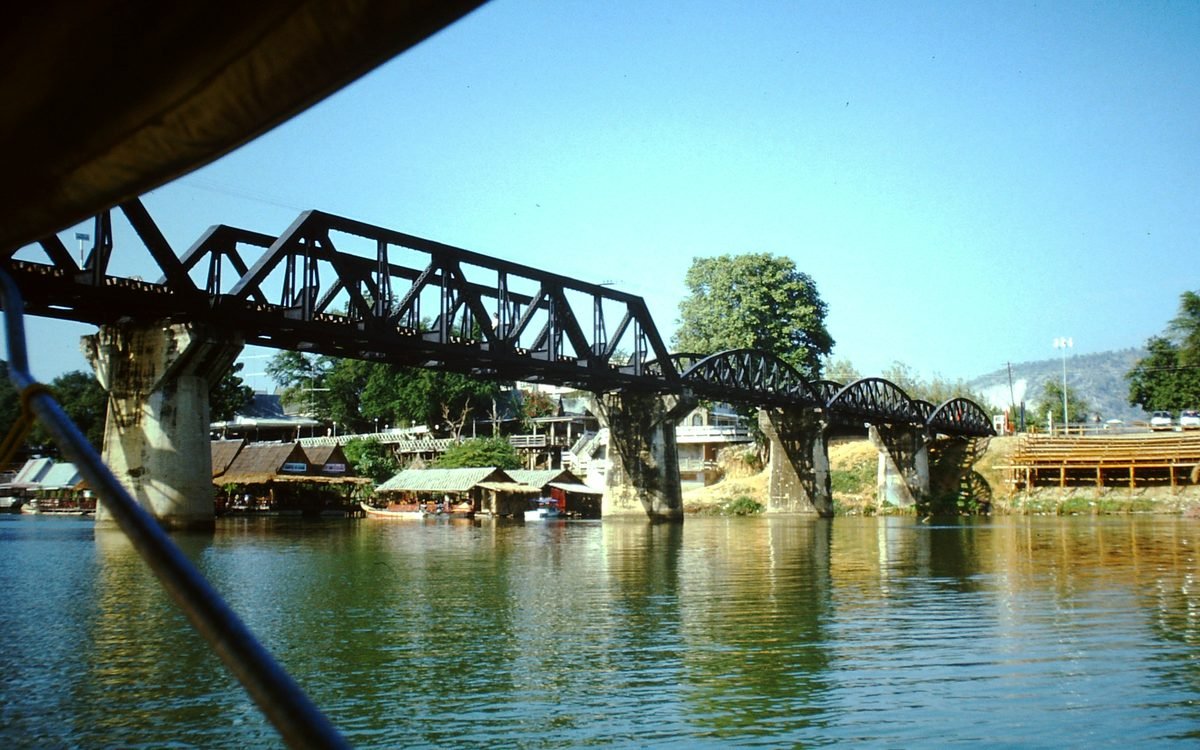
The Mon Bridge, also called Uttamanusorn Bridge, is the longest wooden bridge in Thailand, hand-built by the Mon community across the lake to their village of Wang Ka. It is at its most magical at dawn, when monks cross to receive alms and mist hangs over the water. Take a longtail out on Khao Laem Reservoir to the old sunken temple, whose ruined walls emerge from the water, fully visible only when levels are low. Many visitors stay in simple raft houses on the lake itself.
The Mon people fled Myanmar decades ago, and much of their culture survives here. Wat Wang Wiwekaram was rebuilt above the waterline after the dam flooded the valley; its golden chedi is modelled on the Mahabodhi stupa in Bodh Gaya. In Wang Ka, you will see women with thanaka paste on their faces and men in longyi. The market is a good place to try Mon-style curries and rice noodles. About 20 km away, Three Pagodas Pass marks the border; crossing is not possible for foreigners.
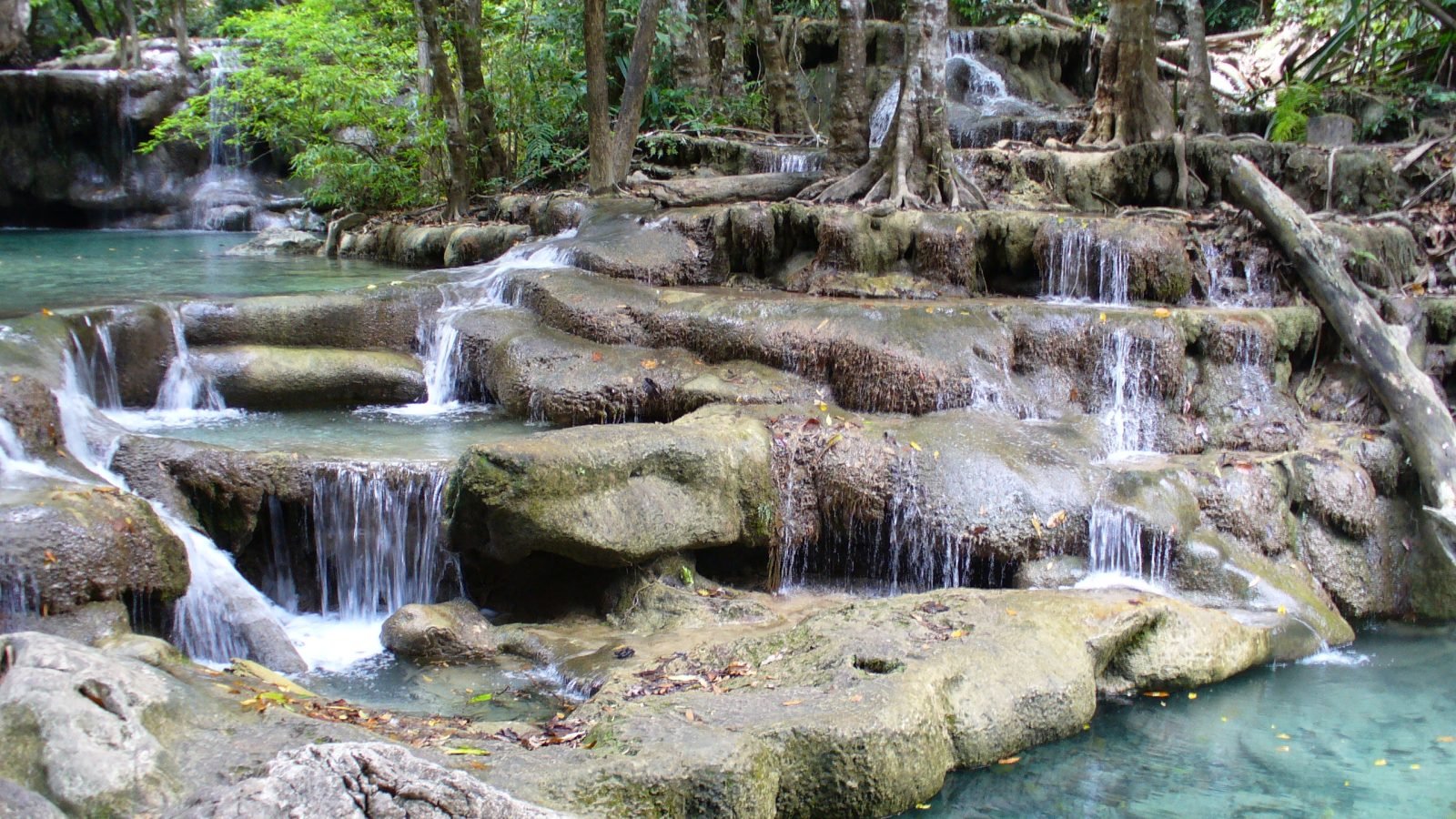
The surrounding hills are forested and cool. On the way from Kanchanaburi, Thong Pha Phum National Park has viewpoints and the Kra Teng Jeng waterfall, and the former mining village of Pilok is often wrapped in fog. Gentle bamboo rafting on the Song Kalia River is a local favourite. The most comfortable months are November to February, with cool mornings and clear skies. The sunken temple is best seen from about March to May when the water is lowest, while the rainy season from June to October turns everything green.
Accommodation is simple but charming. Lakeside guesthouses near the Mon Bridge offer wooden rooms with views over the water, and a few small resorts sit on the hillsides above the reservoir; raft houses on Khao Laem Reservoir are a memorable choice for one night. Food is one of the joys of a visit. In the morning market and around Wang Ka, look for Mon-style curries, khanom jeen rice noodles and sweet Burmese snacks, and try a strong, milky tea in a local tea shop. Evenings are quiet - bring a jumper in the cool season, as nights can get surprisingly chilly.
Compare prices from several providers for this place in one click.
All hotels in Sangkhlaburi →1-2 nights to cross the Mon Bridge at dawn, boat to the sunken temple and soak up the Mon culture.
Ready to plan?
Build your Thailand route →