Home › Destinations › Koh Jum
Andaman Islands
Koh Jum
A sleepy, car-light island between Krabi and Koh Lanta, with empty sunset beaches, wooden bungalows and genuine village life.
📅 2–3 nightsQuietAuthenticBeachNature
A sleepy, car-light island between Krabi and Koh Lanta, with empty sunset beaches, wooden bungalows and genuine village life.
Why Koh Jum? A sleepy, car-light island between Krabi and Koh Lanta, with empty sunset beaches, wooden bungalows and genuine village life.
Koh Jum is the island people wish Koh Lanta still was: a quiet, green island between Krabi and Lanta, where the roads are narrow lanes, the beaches are almost empty and most accommodation is a wooden bungalow under the palms. Its northern half is dominated by the jungle-covered mountain of Koh Pu, and its small villages are home to Muslim fishing families and Chao Le sea-gypsy communities.
Two or three nights is ideal for couples and slow travellers who want to read, swim and watch the sunset without distractions - there is no big resort scene, no nightlife to speak of and very little to do, which is exactly the point.
🌴 Koh Jum in your trip?
Add it in the trip planner →For each activity you get up-to-date availability and prices — so you book ahead at the best rate.
Fly from Bangkok to Krabi International Airport in about 1.5 hours. In high season, roughly November to April, the Krabi to Koh Lanta ferry stops off Koh Jum, where longtail boats ferry you to the beach. Year-round, the easiest route is by road to Laem Kruat Pier, about an hour from Krabi, then a short boat crossing to the island's east coast. Many resorts arrange pick-ups. On the island, there are no taxis to speak of: rent a scooter, borrow a bicycle or ask your bungalow for a motorbike-sidecar ride.
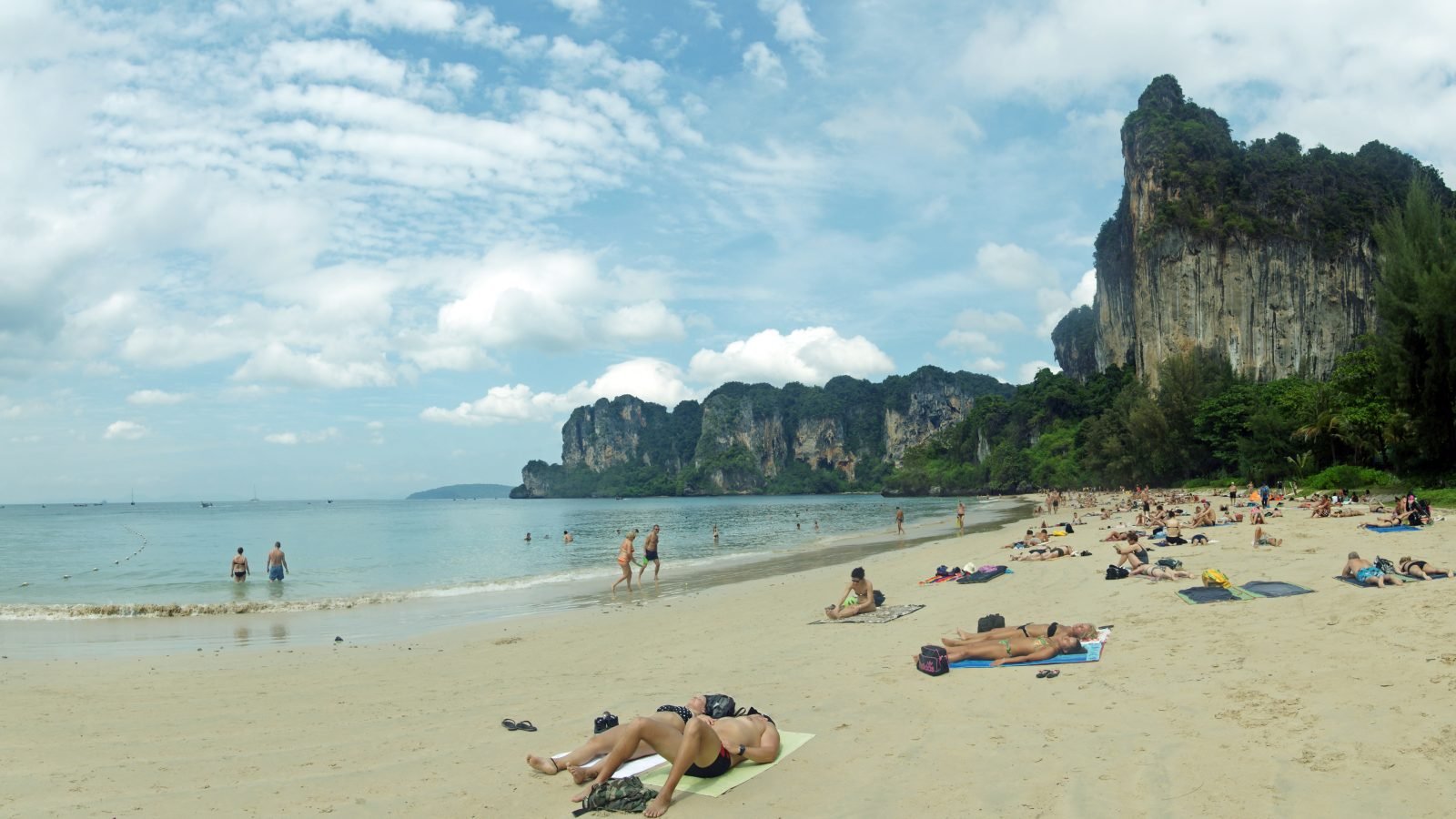
The best beaches face west towards Phi Phi. Andaman Beach and Luboa Beach are the heart of the island, with the widest choice of bungalows and a few relaxed restaurants and bars. Golden Pearl Beach in the south is closest to the main village, while Ting Rai Bay in the north feels even more remote. Accommodation ranges from simple fan huts to a handful of stylish boutique resorts, but there are no large chain hotels. Book ahead in peak season, as the island has only a limited number of rooms.
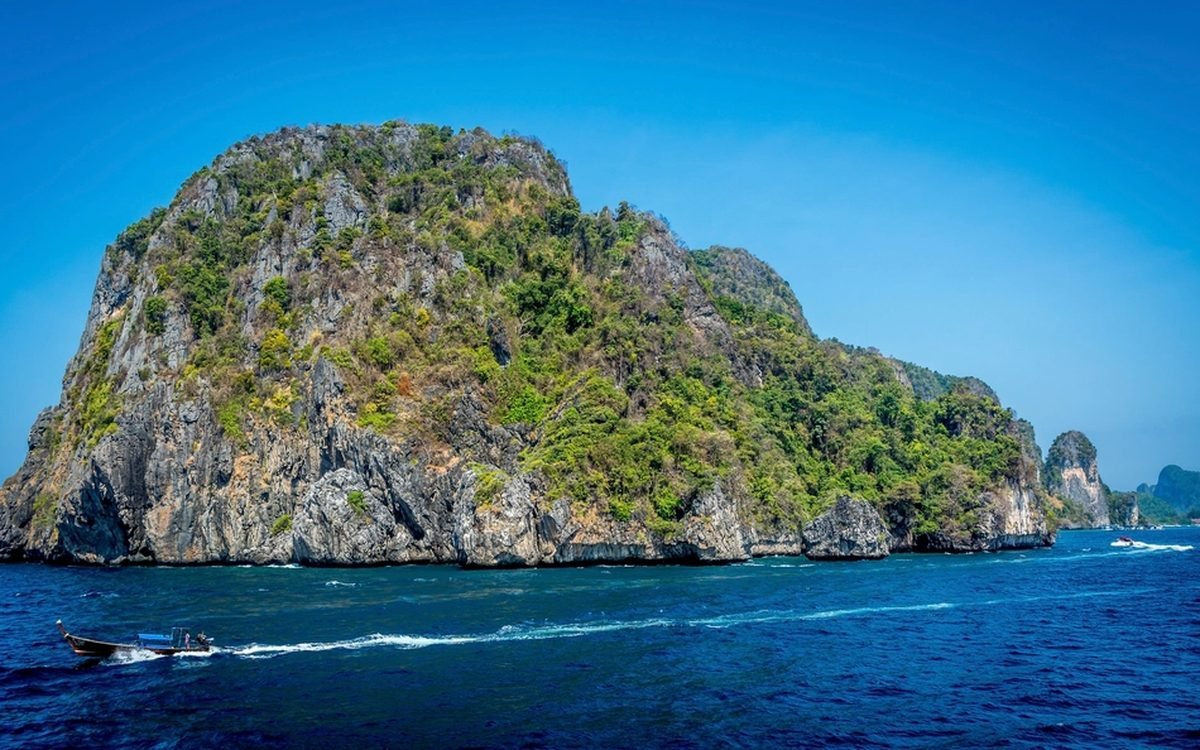
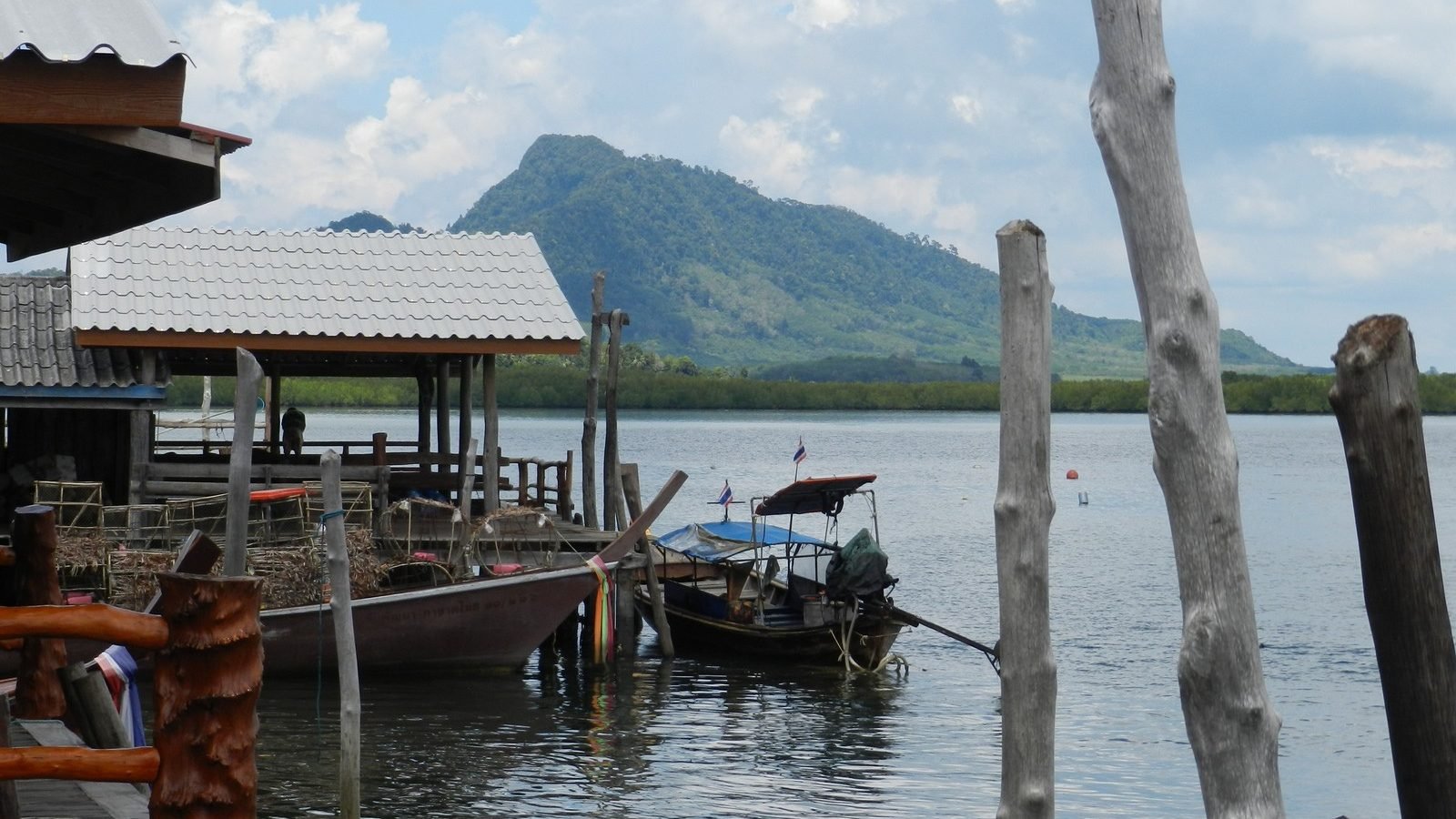
The island's life centres on Ban Koh Jum, the main village in the southeast, with a small market, mosque, roti stalls and fishing boats, while Ban Koh Pu in the north is quieter still. Energetic visitors can hike to the top of Koh Pu, a steep jungle climb best done early with a local guide. Longtail trips run to the mangroves on the east coast, and snorkelling excursions head out to Koh Phi Phi, Koh Dam and the Hong Islands, all within easy boat range.
Eating on Koh Jum means family-run kitchens, fresh seafood and southern Thai curries, with breakfast roti and strong coffee in Ban Koh Jum. Most bungalow resorts have their own simple restaurants, and a few driftwood bars on Andaman Beach and Luboa Beach serve cold drinks at sunset. After dark it is quiet and very starry. As most islanders are Muslim, dress modestly in the villages and be discreet with alcohol away from the beaches. Bring enough cash, as card payments and ATMs are limited.
The best time to visit is November to April, when the sea is calm, the Lanta ferry stops at the island and all resorts are open. From May to October the southwest monsoon brings rain and rougher seas on the west coast; the ferry stops calling, several bungalow operations close for the season, and access is only via Laem Kruat. If you do visit in the green season, you may have entire beaches to yourself, but check that your accommodation is open before travelling.
Compare prices from several providers for this place in one click.
All hotels in Koh Jum →2-3 nights to switch off on the west-coast beaches, hike Koh Pu peak and wander the fishing villages.
Ready to plan?
Build your Thailand route →